Ground conditions in Leeds
Why houses move across Leeds
You’ll understand how local ground—clay, alluvium, made ground or old coal workings—affects movement in homes. A specialist checks these conditions when assessing subsidence or cracking.
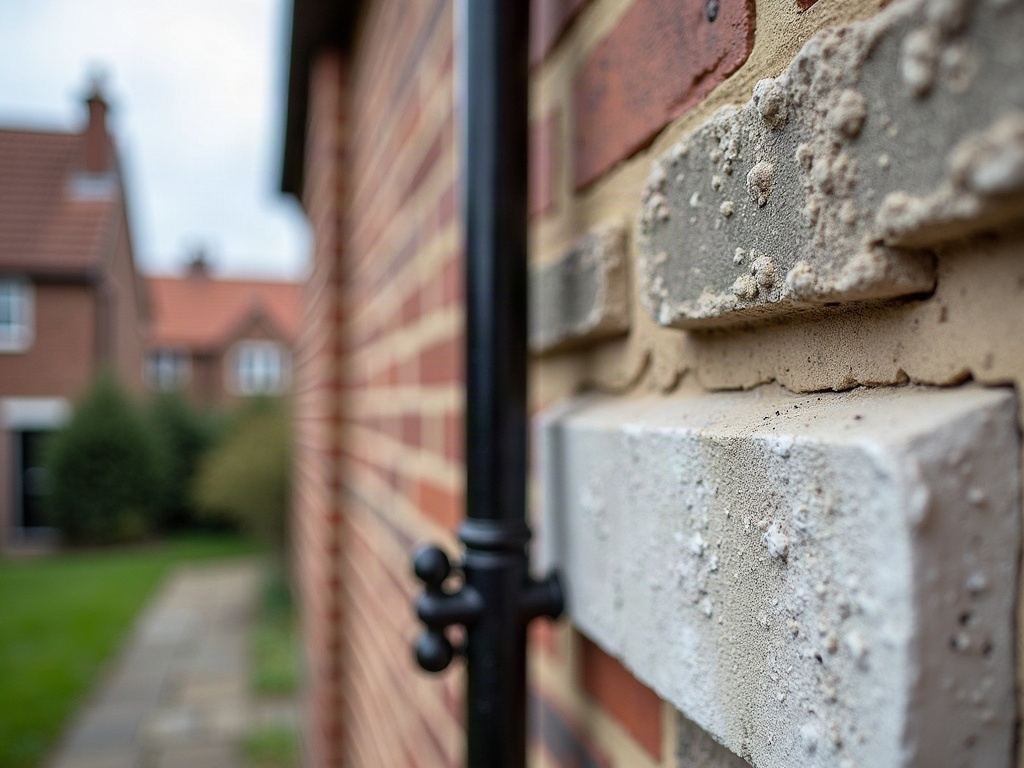
Aire Valley: soft alluvium and made ground
The River Aire cuts through central Leeds, leaving behind alluvial deposits—silt, sand and clay laid down over centuries. These soils are naturally soft and compressible.
Much of the valley floor has also been built on made ground: fill brought in during industrial expansion. This material can settle unevenly, especially if poorly compacted. Properties in Armley, Hunslet or Kirkstall may show signs of this gradual settling.
South and east: clay that shrinks and swells
Heading south and east—through Rothwell, Woodlesford and Garforth—the ground shifts to boulder clay and glacial till. These clays hold water and expand when wet, then shrink in dry spells.
Tree roots near older properties add to the problem. During droughts, roots draw moisture from the soil, causing extra shrinkage. That movement can pull shallow foundations down unevenly, often showing as diagonal cracks near windows.
Former coal workings under parts of Leeds
Leeds sits above historic coal seams. Mining ceased decades ago, but some areas—especially near Middleton, Beeston and Rothwell—still have shallow, unmapped workings.
Even if records exist, voids can collapse slowly over time. This causes sudden or gradual sinking, unrelated to weather. A specialist checks mining reports and uses tools like boreholes or radar to confirm whether old workings play a role.
What a specialist looks for
Ground type alone doesn’t explain movement. A specialist combines local geology with site evidence: crack patterns, foundation depth, nearby trees, drainage issues and building age. They look at how these factors interact with Leeds’ varied ground—from river alluvium in the Aire Valley to clay soils and old coal workings in southern and eastern areas.
They may take samples, review historical maps or monitor movement over weeks. The goal is to find the cause—not just treat the symptom—so repair options match what’s really happening beneath the surface. This helps ensure solutions like underpinning, resin injection or screw piling address the actual problem.
Common worries about movement
These questions come up again and again. None of them are silly—they’re the first things people notice when their property moves or shows signs of cracking.
-
Is my house on old mine workings?
Specialists check mining plans and use ground scans to see if voids exist beneath your property.
-
Could my cracks be from clay shrinkage?
Yes—if you’re on clay, have large trees nearby, and cracks worsen in summer.
-
Is made ground making my floor sink?
Possibly. Made ground settles unevenly, especially under slabs with no deep foundations.
-
Will insurance cover this?
Buildings insurance typically covers sudden subsidence damage, but gradual settlement or cracking is usually excluded from standard policies.
Questions before you enquire
How do I know if it’s subsidence or just settlement?
Settlement happens early in a building’s life and stops. Subsidence is ongoing movement, often seasonal or worsening. A specialist distinguishes them by monitoring and site history.
Does every crack mean subsidence?
No. Hairline cracks in plaster or mortar are normal. Subsidence cracks are usually wider than 3mm, diagonal, and appear both inside and outside at the same point.
Can tree removal make things worse?
Sometimes. Removing a mature tree can cause clay to rehydrate and swell, lifting foundations. Specialists assess timing and may recommend phased removal or root barriers.
Are newer homes immune to these issues?
Not always. Even modern buildings can suffer if constructed on variable ground without adequate foundations. Pre-purchase surveys sometimes miss localized ground risks, especially where made ground, clay shrinkage or old coal workings affect only part of a property’s footprint.
Will I need underpinning?
Underpinning is only one option. Depending on the cause, resin injection, screw piles or even drainage fixes may be more suitable and less disruptive. The right solution depends on ground conditions, property type and the specific movement observed.
Get a specialist view
Send details of your property and concerns. It goes straight to a structural engineer or surveyor with experience in subsidence affecting Leeds properties. You’re not committed to anything by asking.
- No upfront fees
- Local specialists only
- Free initial advice
- No sales pressure