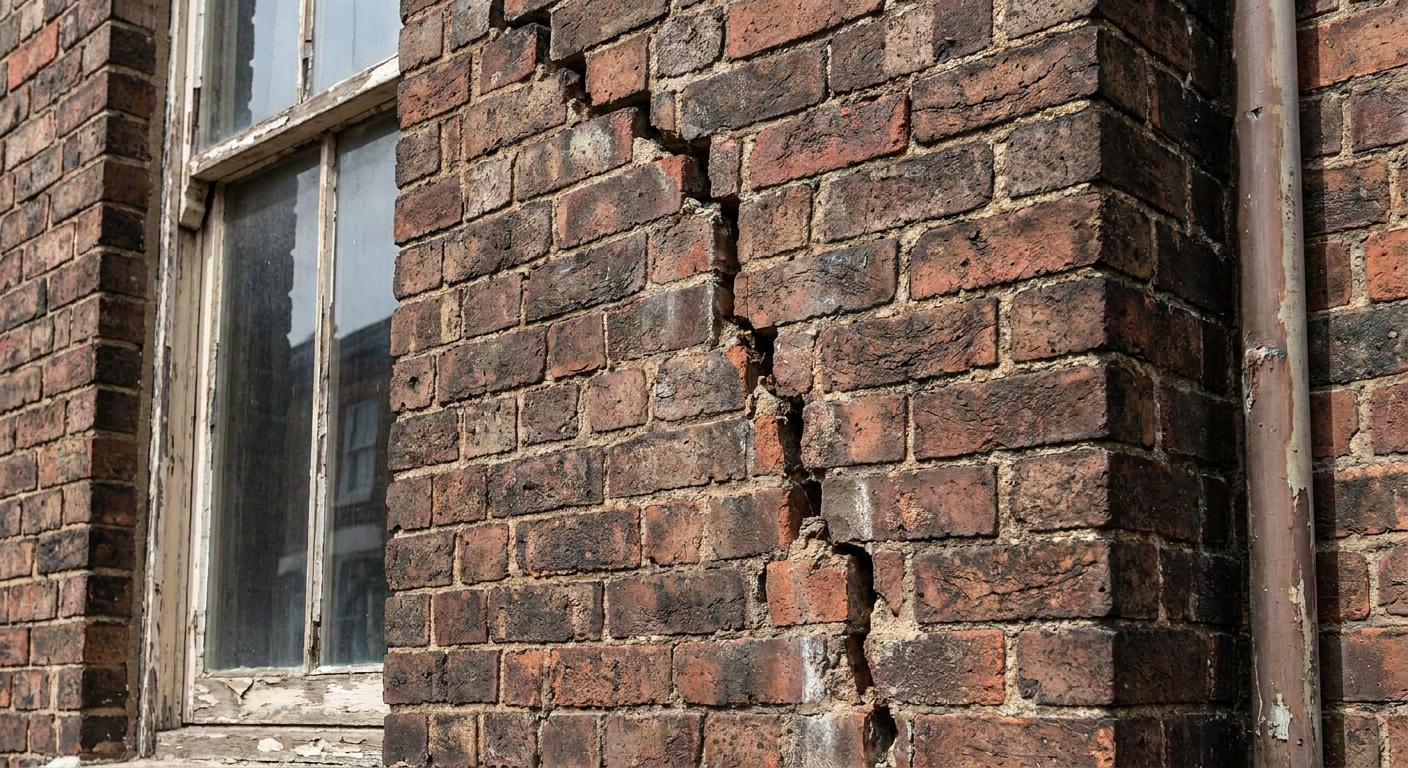
Subsidence help in Bramley
If you’ve noticed new cracks, sticking doors or uneven floors in your Bramley home, it may be foundation movement. A specialist can inspect the property and explain whether it needs further action.
Bramley homes and ground conditions
Bramley has a mix of housing, including older stone-built terraces and post-war estates. Many properties sit on variable ground that responds to seasonal changes, tree roots and ageing drainage.
Drain runs installed decades ago may now leak beneath foundations, especially where clay soils expand when wet and shrink in dry spells. These patterns are common across west Leeds and often show first as hairline cracks near windows or along internal walls.
Signs we see in Bramley homes
Each service addresses specific signs of movement commonly reported by residents.

Subsidence Investigation and Advice
A specialist surveys the property to determine whether cracks or distortion are due to foundation movement, thermal expansion or normal settlement.
Underpinning Work Explained
Where significant downward movement is confirmed, underpinning may be recommended to stabilise affected sections of the foundation.

Cracked Concrete Floors, Slabs and Walls
Cracks in concrete elements can indicate heave, shrinkage or poor original placement; a specialist checks their pattern, width and location to judge the cause.
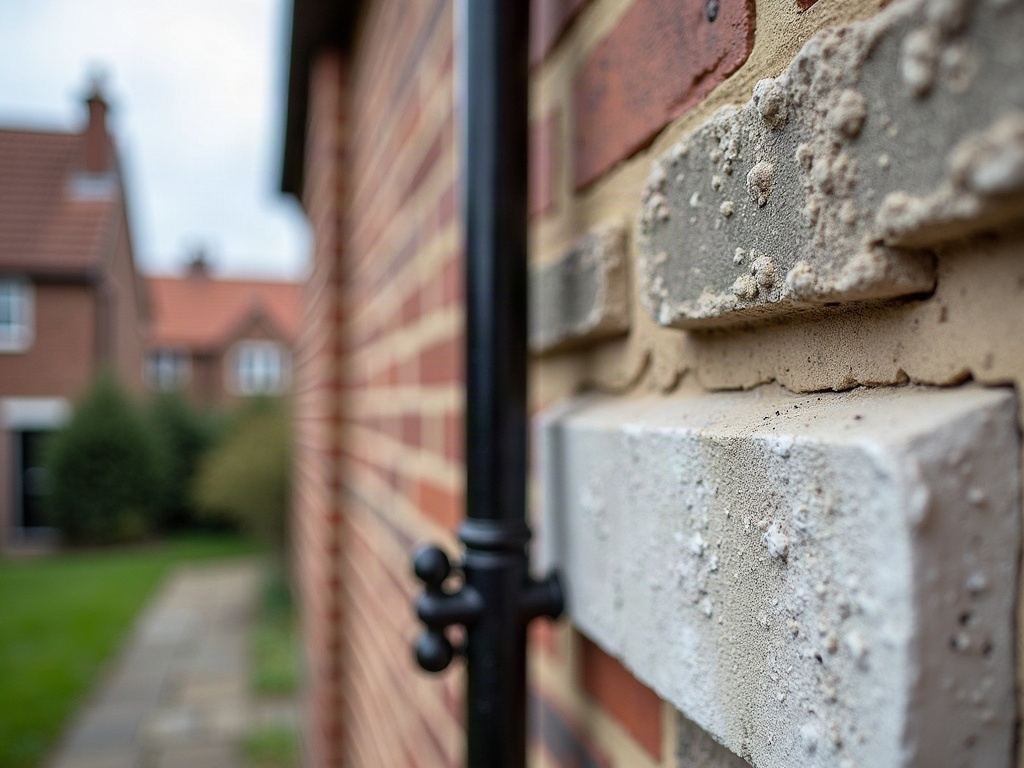
Resin Injection Ground Stabilisation
This method fills voids and compacts loose soil beneath slabs or footings, often used where access is limited or disruption must be minimised.
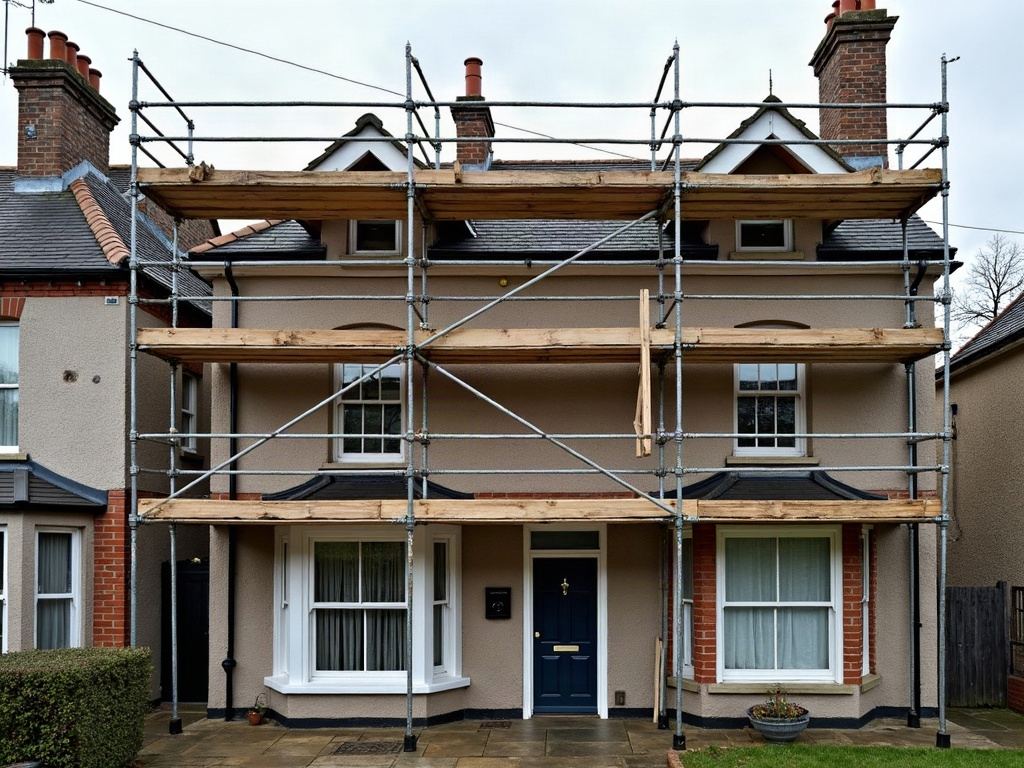
Screw Piling for Foundations
Screw piles transfer load deeper into stable ground and are sometimes chosen for extensions, conservatories or where traditional underpinning isn’t practical.
What you receive after a visit
The specialist documents findings clearly so you can understand the issue and decide what to do next.
Measured crack records
Width, length and position of every visible crack are logged, often with dated photos to track any change over time.
Drainage observations
The specialist notes signs of leaking drains near the foundation, which insurers often require ruled out before accepting a claim.
Tree root assessment
Proximity and species of nearby trees are recorded, as some draw enough moisture from clay soils to contribute to seasonal movement.
Written summary
You receive a clear report outlining likely causes, whether the movement appears active, and possible repair options if needed.
Repairs suited to Bramley properties
Subsidence help in Bramley covers the full range of diagnostic and remedial work. The specialist who takes your enquiry will assess whether underpinning, resin injection or screw piling is appropriate based on your home’s construction and the evidence found.
Concrete cracking is common in older garages, rear extensions and ground-bearing slabs; repairs range from monitoring to localised stabilisation. All methods aim to restore stability without unnecessary disruption to occupied homes.
Questions we hear in Leeds
Do all cracks mean subsidence?
No. Hairline cracks in plaster are often just drying or thermal movement. Subsidence cracks are usually diagonal, wider than 3mm, and appear near corners or around windows.
Will my insurer pay for the survey?
Some policies cover the cost of an initial investigation if subsidence is suspected. Check your policy wording or speak to your insurer before arranging work.
How long does a subsidence survey take?
A typical inspection takes 1–2 hours on site. The specialist may return for monitoring if movement appears recent or ongoing.
Can old houses in Bramley avoid underpinning?
Often, yes. Many older Bramley homes settle without needing underpinning. Repairs might involve fixing drains, managing trees or using resin injection instead.
What you have read here is general background on subsidence rather than guidance about your own building, and only an inspection can say what holds true at your address.
Get a clear assessment
Send your details and a specialist covering Bramley will contact you to discuss your concerns.