Areas covered
Subsidence areas covered around Leeds
Find your area below to read about the ground conditions, housing types and subsidence signs specific to where you live. Submitting an enquiry is free and does not commit you to any repair work.
Inner Leeds neighbourhoods
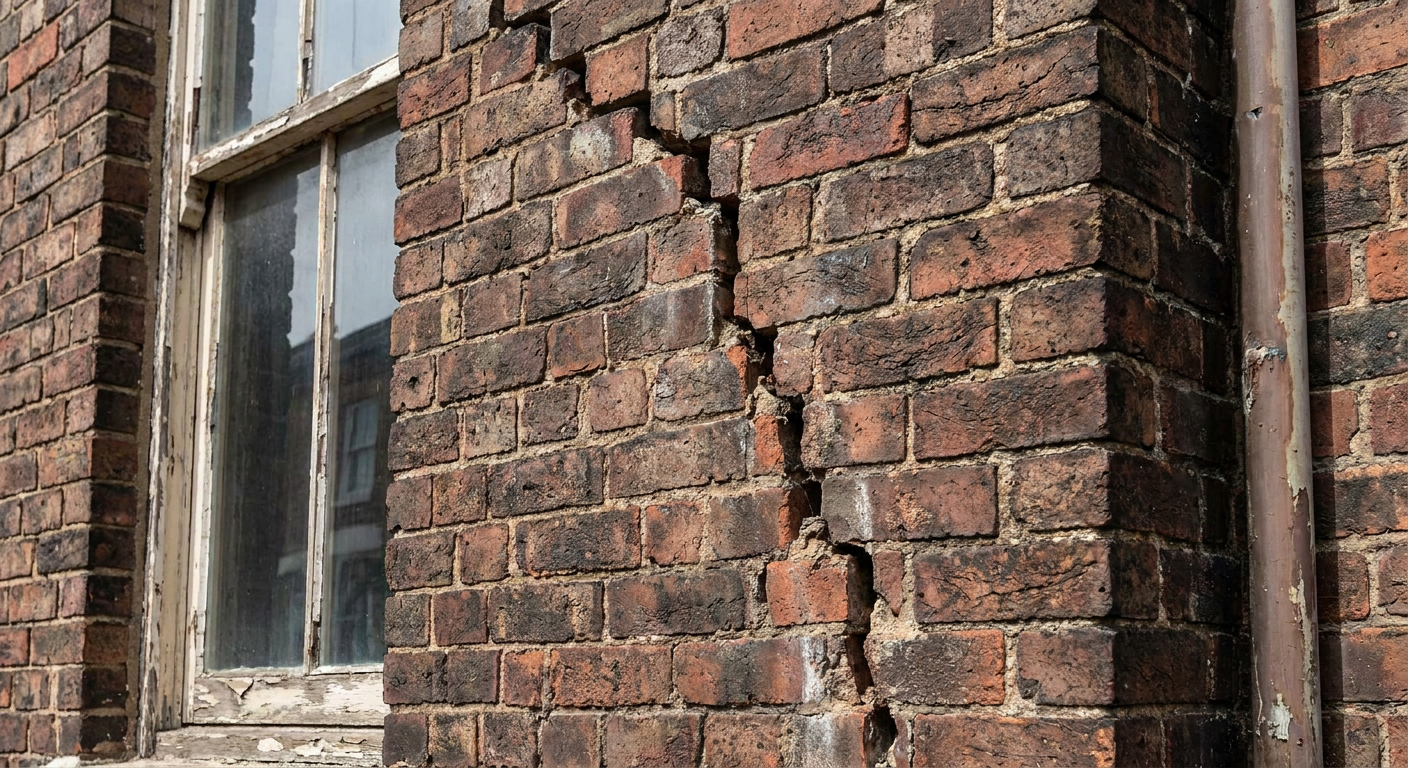
Homes closer to the city centre sit on varied ground. In Armley, terraced and back-to-back houses often show movement in shared walls. Beeston has sloping floors and leaking drains that affect older brickwork. Hunslet sees cracking alongside slab settlement where concrete bases shift over time.
Chapel Allerton contains Victorian brickwork that reacts to changes in soil moisture. Headingley holds large period homes and converted flats where load-bearing walls carry extra weight. Bramley needs careful investigation when cracks appear, because the cause is rarely obvious from the surface alone.
Seacroft includes post-war estate homes built quickly on made ground. Middleton shares this history, with houses from the same era showing similar patterns of movement. Each of these areas has its own mix of clay depth, drainage age and building style. A specialist surveyor familiar with inner Leeds will know what to look for behind the plaster.
North Leeds suburbs and villages
The northern suburbs sit on higher ground but face their own problems. Roundhay has mature trees planted close to houses, and their roots draw moisture from the clay beneath foundations. Alwoodley shares this risk, with garden trees and heavy clay soil causing seasonal movement.
Moortown contains semis and detached homes where cracking follows predictable lines along weaker mortar joints. Adel sits on slopes near period homes, so gravity and soil shrinkage work together against shallow footings. Horsforth has stone semis that crack differently from brick, splitting along bedding planes rather than through the blocks themselves.
Further out, Yeadon and Guiseley see homeowners unsure whether a crack means subsidence or just normal settlement. Rawdon shows widening cracks in stone walls that need monitoring over several months before anyone can say what is happening. Otley has period homes built before modern foundation standards existed. Wetherby and Boston Spa contain stone properties where the masonry itself moves as the ground shifts underneath.
South and west of the city
South of Leeds, the geology changes. Morley shows cracking and bulging brickwork where clay shrinks in summer. Batley has cracked walls and extensions pulling away from the main house because the newer section has shallower footings.
Pudsey reports new cracks and sticking doors as timber frames twist when walls move. Rothwell needs crack assessment to separate thermal movement from actual ground failure. Bramley and Kirkstall both sit near water. Kirkstall has riverside and canal ground that stays wet longer after rain, softening the soil under foundations.
Garforth requires attention to ground conditions and old drains that leak into the subsoil. Cross Gates shows stepped and diagonal cracks running up from window corners. Kippax carries a mining legacy, with old coal workings beneath streets that can collapse decades after they were abandoned. Woodlesford sits near the Aire Valley, where flood-hit ground loses strength and houses settle unevenly. Tadcaster faces similar flooding risks alongside cracking in older stone walls.
What differs from one area to another
Every part of Leeds has different soil, different trees and different building eras. A crack in a Victorian terrace in Chapel Allerton does not mean the same thing as a crack in a 1950s semi in Seacroft. The depth of the clay, the proximity of tree roots, the presence of old mine shafts and the type of stone or brick all change what a specialist looks for.
Specialist firms working in these areas know the local ground. They have seen how houses in Kippax behave compared to houses in Horsforth. They understand why a drain survey matters more in Garforth than in Adel. This local knowledge shapes the survey, the diagnosis and the repair method they recommend.
Find your area above to read about the specific issues affecting homes there. If you recognise the signs described, submit an enquiry. A specialist firm covering your part of Leeds can then arrange a visit.
Tell us where your home is and what you see
Send a short description of the problem and your area. A specialist firm covering that part of Leeds will review it and contact you directly. There is no charge for this and no obligation to proceed.
- Free to enquire
- No obligation
- Local specialists
Areas
- Pudsey
Subsidence in Pudsey can show as new cracks, doors that stick or floors that slope. Find out what to look for and how enquiries are passed to specialists.
- Morley
Subsidence in Morley often appears as stepped cracking, bulging brickwork or settling floors. Guidance for homeowners and landlords on the next steps.
- Rothwell
Subsidence in Rothwell often shows as new cracks in brickwork. Find out what to look for, what causes movement and how an assessment is arranged.
- Garforth
Worried about subsidence in Garforth? Read how leaking drains, made ground and clay soils cause movement, and what a specialist assessment covers.
- Horsforth
Subsidence in Horsforth can show as stepped cracks in stone walls and doors that stick. Learn the likely causes and how older semis are checked.
- Yeadon
Cracking that appears suddenly needs a cause. See how subsidence in Yeadon is investigated, from drain checks to soil and foundation surveys.
- Guiseley
Worried about cracks in a Guiseley home? Compare subsidence with settlement and thermal cracking, see what to check, and when an assessment helps.
- Otley
Movement in older and period Otley property: what subsidence looks like, how fresh cracks differ from old settlement, and what an assessment covers.
- Wetherby
Subsidence in Wetherby, including period and stone homes: the signs to look for, how cracks are assessed and what specialist repair can involve.
- Tadcaster
Cracking, damp-related movement and flood-affected ground in Tadcaster: how subsidence is told apart from other causes and what tends to happen next.
- Batley
Cracked walls, sticking doors or a settling extension in Batley can all point to subsidence. See what to look for and how the cause gets checked.
- Armley
Subsidence in Armley often shows as stepped cracking or uneven floors in terraced and back-to-back housing. Find out what those signs can mean.
- Roundhay
Subsidence in Roundhay is often linked to mature trees and shrinkable clay close to the house. Learn which cracks matter and what happens next.
- Chapel Allerton
Subsidence in Chapel Allerton can affect Victorian and Edwardian houses. Read how cracking in brickwork is assessed and what repairs may follow.
- Beeston
Cracking walls, sloping floors or leaking drains in Beeston can point to subsidence. See what to look for, what causes movement and when to act.
- Bramley
Not sure if the cracks in your Bramley home mean subsidence? Learn which cracks warrant investigation, what causes ground movement and the next steps.
- Alwoodley
Detached and semi-detached homes in Alwoodley with trees nearby can see subsidence as clay soil shrinks. See the signs and how a cause is confirmed.
- Headingley
Cracking in large period houses and converted flats in Headingley may mean subsidence. Guidance for owners and landlords on signs, causes and next steps.
- Middleton
- Hunslet
Subsidence in Hunslet can show as cracking or slab settlement in homes and commercial units. Learn what the cracks suggest and how checks are arranged.
- Seacroft
Subsidence in Seacroft worries owners and landlords when cracks widen. See which cracks matter, what a survey covers and who carries out repairs.
- Cross Gates
Subsidence in Cross Gates often shows as stepped or diagonal cracking in interwar semis. See what to measure, what to note and when to get it checked.
- Kirkstall
Subsidence in Kirkstall can show as new cracks in homes near the river and canal. See what causes ground movement and how the cause gets checked.
- Moortown
Subsidence in Moortown often shows as cracking in semis and detached houses. Find out which cracks matter and how the cause of movement is assessed.
- Kippax
Subsidence in Kippax worries owners given the area's mining legacy. Learn what stepped cracks can mean and how ground movement is investigated.
- Adel
Subsidence in Adel can follow mature trees, clay soil and sloping gardens. See what cracks in period and interwar houses mean and what happens next.
- Rawdon
New or widening cracks in stone and brick walls in Rawdon can point to subsidence or ordinary settlement. See what to look for before cracks are assessed.
- Woodlesford
Cracks and signs of movement in Woodlesford homes near the Aire and Calder corridor, and how riverside ground, drains and trees affect foundations.
- Boston Spa
Cracking in stone-built and period property in Boston Spa, with guidance on telling subsidence from older settlement and what to record before a check.