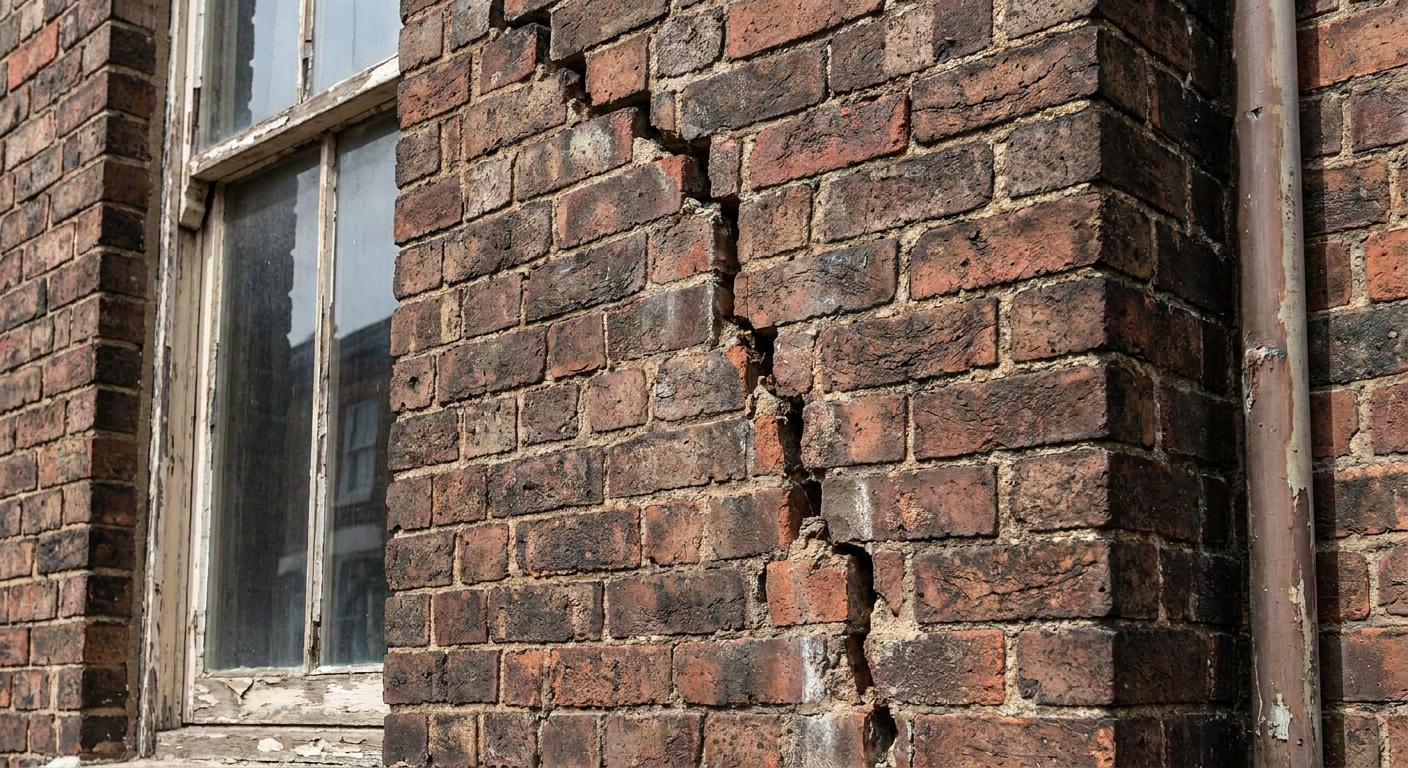
Subsidence help in Garforth
If you’ve noticed new cracks or sticking doors in your Garforth property, it’s worth understanding whether this is normal settlement or something that needs attention. A specialist can tell the difference quickly once they’ve seen the pattern and location of the movement.
Housing in Garforth varies from older stone-built properties to newer estates
Garforth includes both traditional Yorkshire stone houses and more recent developments built over the last few decades. The mix means movement can show up differently: older homes may have long-standing hairline cracks, while newer builds sometimes reveal issues through sudden sticking windows or fresh diagonal fractures near corners.
Because the area sits within the wider Leeds region, ground conditions can shift subtly from street to street. That variation is why a visual inspection alone isn’t enough, what looks like subsidence in one house might be harmless shrinkage in another.
Signs we see in Garforth homes and what they suggest
Different types of movement leave different clues. A specialist matches the signs to likely causes before recommending any work.

Subsidence Investigation and Advice
A specialist surveys the property to determine whether cracks are due to ground movement, thermal expansion, or minor settlement. They check for patterns such as widening over time, alignment with drains, or proximity to trees.

Underpinning Work Explained
Underpinning is only considered when foundation failure is confirmed. In Garforth, it’s rarely needed on newer estates but may be appropriate for older properties where clay shrinkage has caused significant drop.

Cracked Concrete Floors, Slabs and Walls
Cracking in garage floors, patios or internal slabs often stems from poor compaction during construction rather than subsidence. A specialist tests for level changes and checks whether the crack follows control joints.
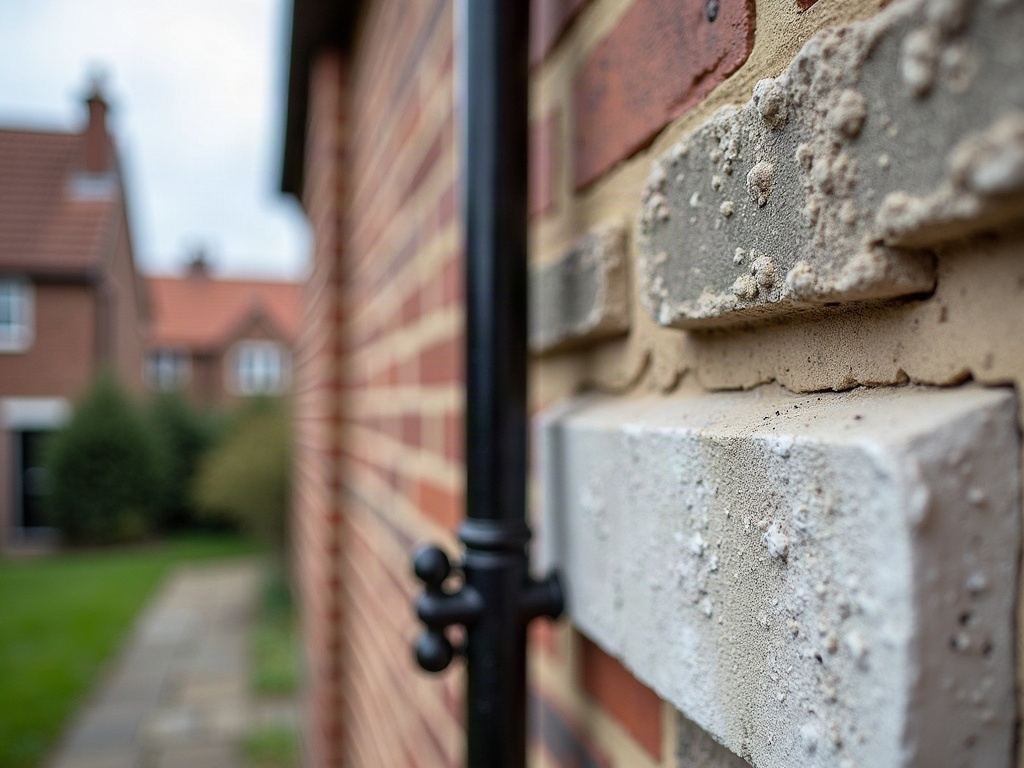
Resin Injection Ground Stabilisation
Where voids or loose fill are found beneath a slab or footing, resin injection can recompact the ground without excavation. It’s often used on driveways or extensions in Garforth where access is tight.
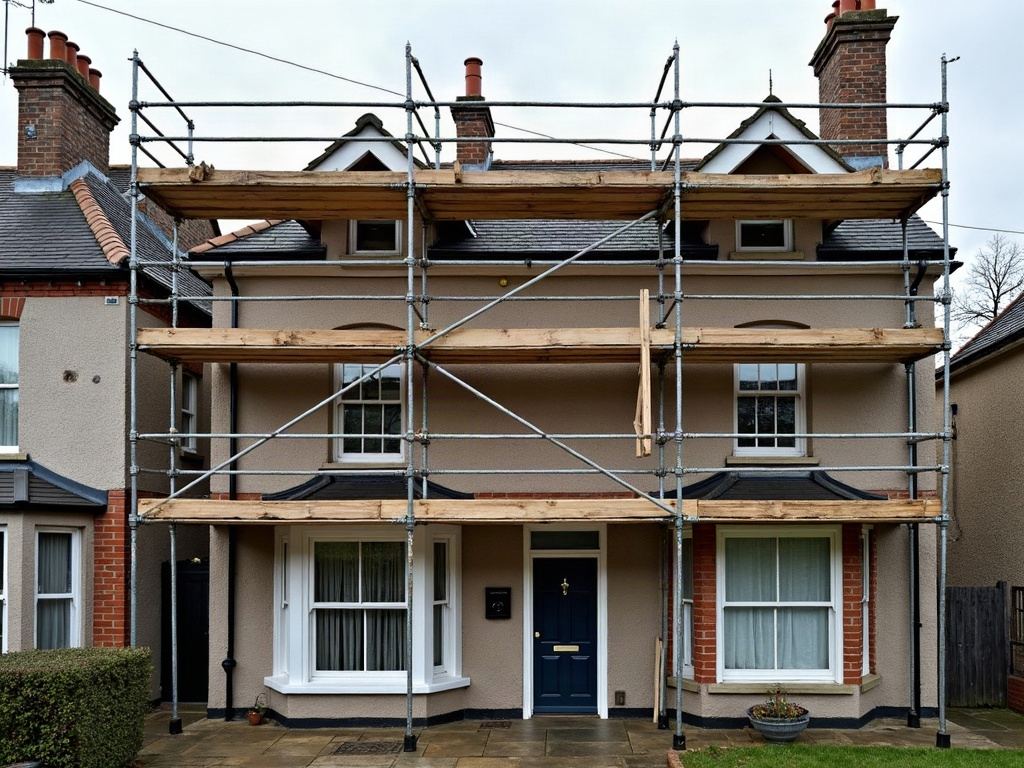
Screw Piling for Foundations
Screw piling provides a deep, stable base for repairs or new builds where shallow ground is unreliable. It’s suitable for sites with variable soil or where underpinning would be disruptive.
What you receive after a visit
The specialist documents everything they find and explains it clearly. You get a record you can use however you choose.
Measured crack widths
Every visible crack is measured and photographed so future movement can be tracked accurately.
Drainage check
A specialist looks for leaking drains near affected walls, as water softening the ground is a common cause in built-up areas like Garforth.
Tree root assessment
If large trees are close to the house, their species and distance are noted, some draw more moisture from clay soils than others.
Written findings
You receive a clear summary of what was observed, what it likely means, and whether further action is advised.
Repairs suited to Garforth properties
The right solution depends on what the survey shows, not on assumptions about the area. Subsidence help starts with accurate diagnosis, not predetermined fixes.
Underpinning is reserved for confirmed foundation failure, while resin injection or screw piling may stabilise ground without major disruption. Concrete cracking is often cosmetic or tied to local drainage, fixing the source stops it returning.
Straight answers on subsidence
Do all cracks mean subsidence?
No. Hairline cracks in plaster or around window reveals are often just thermal movement or drying shrinkage, especially in homes less than ten years old. Diagonal cracks wider than 3mm that extend through brickwork warrant inspection.
Will my buildings insurance cover this?
Some policies cover subsidence-related damage, but not routine settlement or cosmetic cracking. Check your policy wording or speak to your insurer, they may ask for a specialist’s report before deciding.
How long does an investigation take?
A site visit typically takes half a day. The specialist examines external and internal walls, checks levels, and may recommend monitoring over several months if movement appears recent but minor.
Can trees near my house cause subsidence in Garforth?
Yes, particularly on clay soils. Tree roots draw moisture from the ground, causing it to shrink in dry periods and potentially pull foundations down. Removal alone rarely fixes it, the specialist assesses whether root barriers or ground treatment are needed.
What you have read here is general background on subsidence rather than guidance about your own building, and only an inspection can say what holds true at your address.
Get clarity on your cracks
Send your details and a specialist covering Garforth will contact you to discuss what they’d look for during a visit.