Across Leeds
What happens in a subsidence survey, step by step
Describe what you have noticed at home. A specialist covering your part of Leeds will read it and call you back. There is no fee to ask, and nothing commits you.
After you send an enquiry about your home
You describe what you have seen: a crack above a door frame, a floor that slopes near the hallway, or plaster pulling away from a wall. That description goes to one structural specialist who covers your part of Leeds. If you live in Pudsey or Morley, the person who calls you already knows the local clay and the older brickwork common there.
They will phone you to talk through the details. This conversation establishes whether the signs point to seasonal movement or something that needs a closer look. You can ask anything during this call. The specialist handles homes across the city, from stone semis in Horsforth to terraced houses in Armley, so they understand the range of building types and ground conditions you might be dealing with.
The first visit and what the surveyor checks
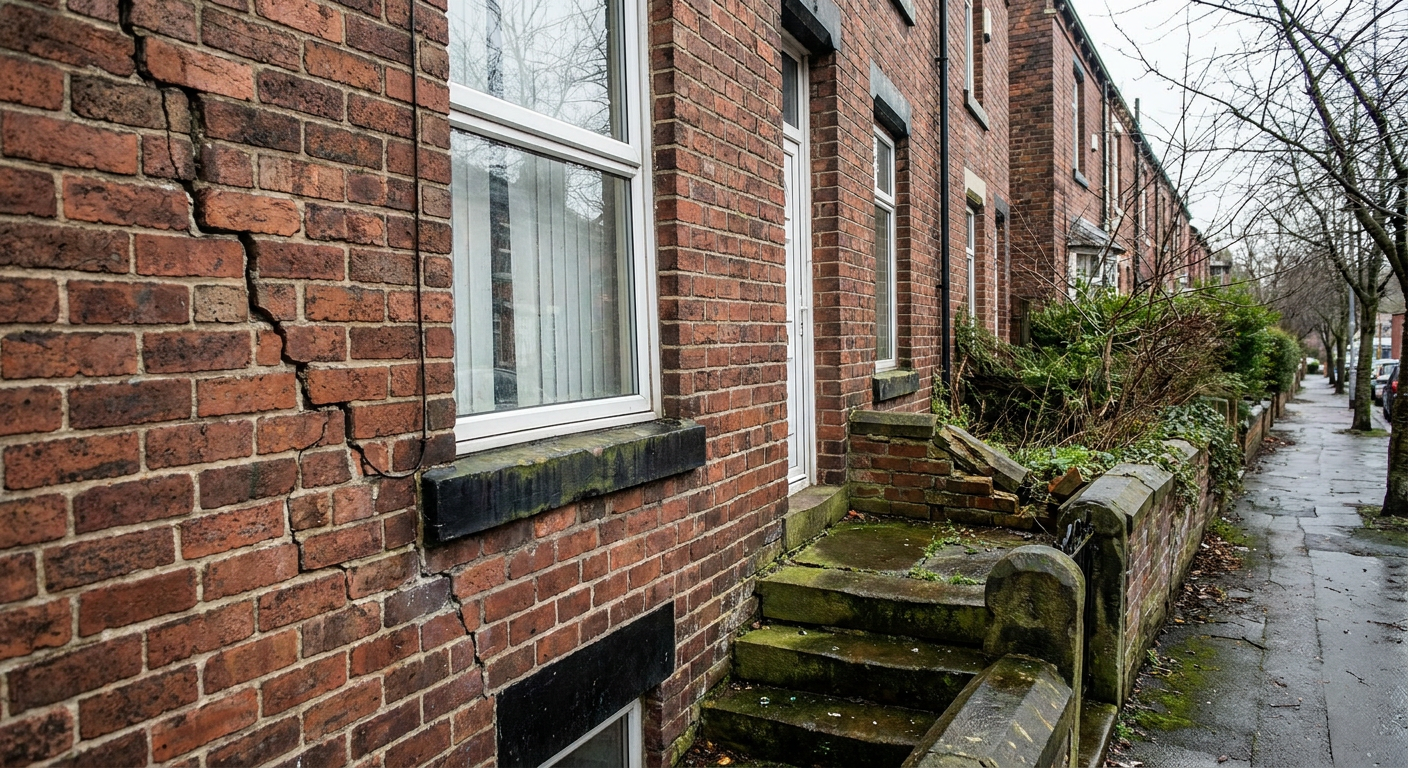
If a site visit makes sense, the specialist arranges a time to come to your home. This initial inspection is free. During the visit, the surveyor checks cracks by measuring their width, tracing their path, and noting which walls are affected. They look at doors and windows to see if frames have distorted. Outside, they examine the ground near the foundations, check drains for leaks, and note any trees close enough to draw moisture from the soil beneath your house.
This subsidence inspection process takes around an hour for an average home. The specialist records everything and may take photographs. You do not need to prepare anything beyond making sure they can reach the affected rooms and the exterior walls. Whether your home is in Roundhay near mature trees or down in Beeston where drains often leak into sloping ground, the approach stays the same.
Monitoring period and what gets installed
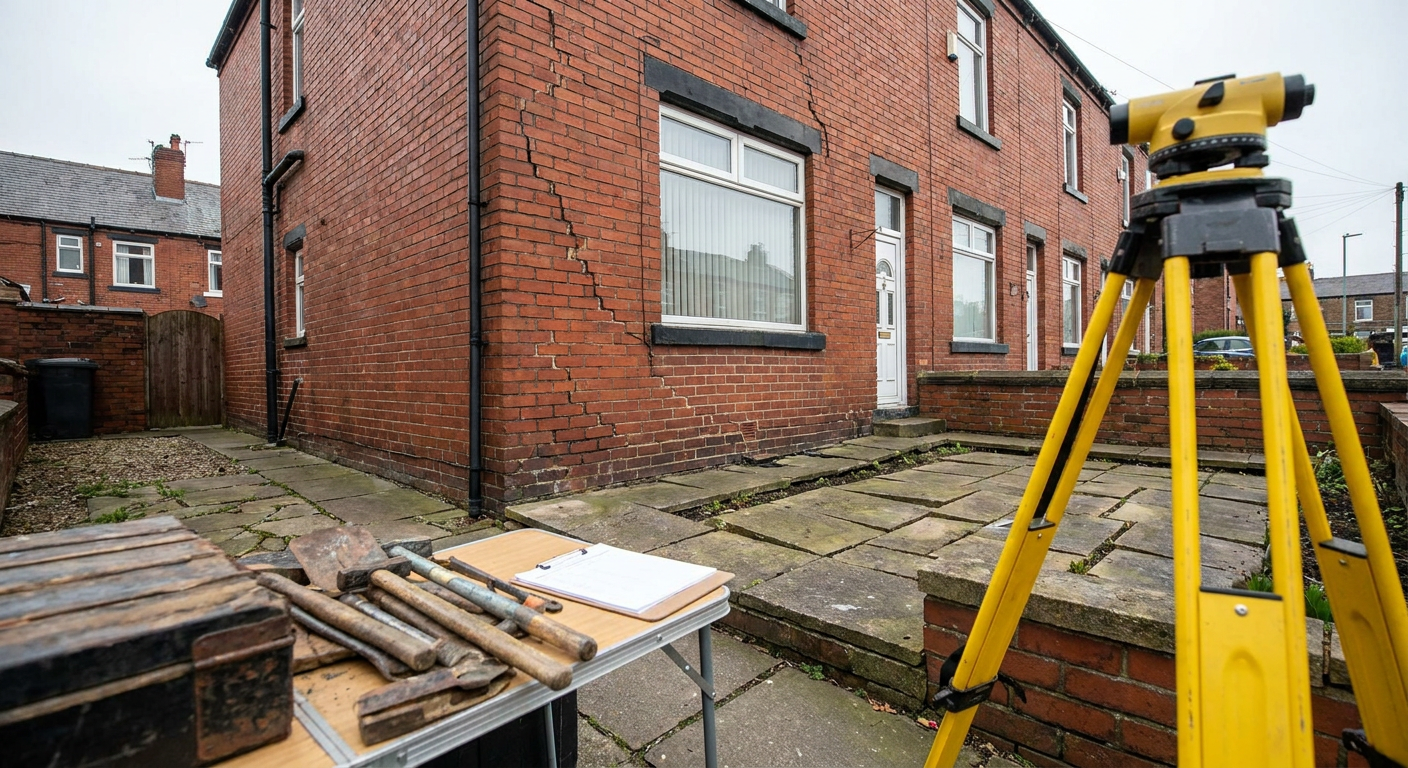
Sometimes the damage is old and stable. Other times the movement is active and needs tracking before anyone decides on a repair. When monitoring is required, the specialist fixes small studs or glass tell-tales across the worst cracks. These devices record whether the gap widens or narrows over time.
A typical crack monitoring period lasts between six and twelve months. The length depends on the seasons, because clay soil in Leeds shrinks in summer and swells in winter. The specialist returns at set intervals to take readings. You can still live in the home as normal while this happens. The equipment is small and sits flat against the plaster or brickwork. Once enough data exists to show a pattern, the specialist uses those measurements to decide if underpinning, resin injection, or another method is needed.
Digging trial holes and making good afterwards
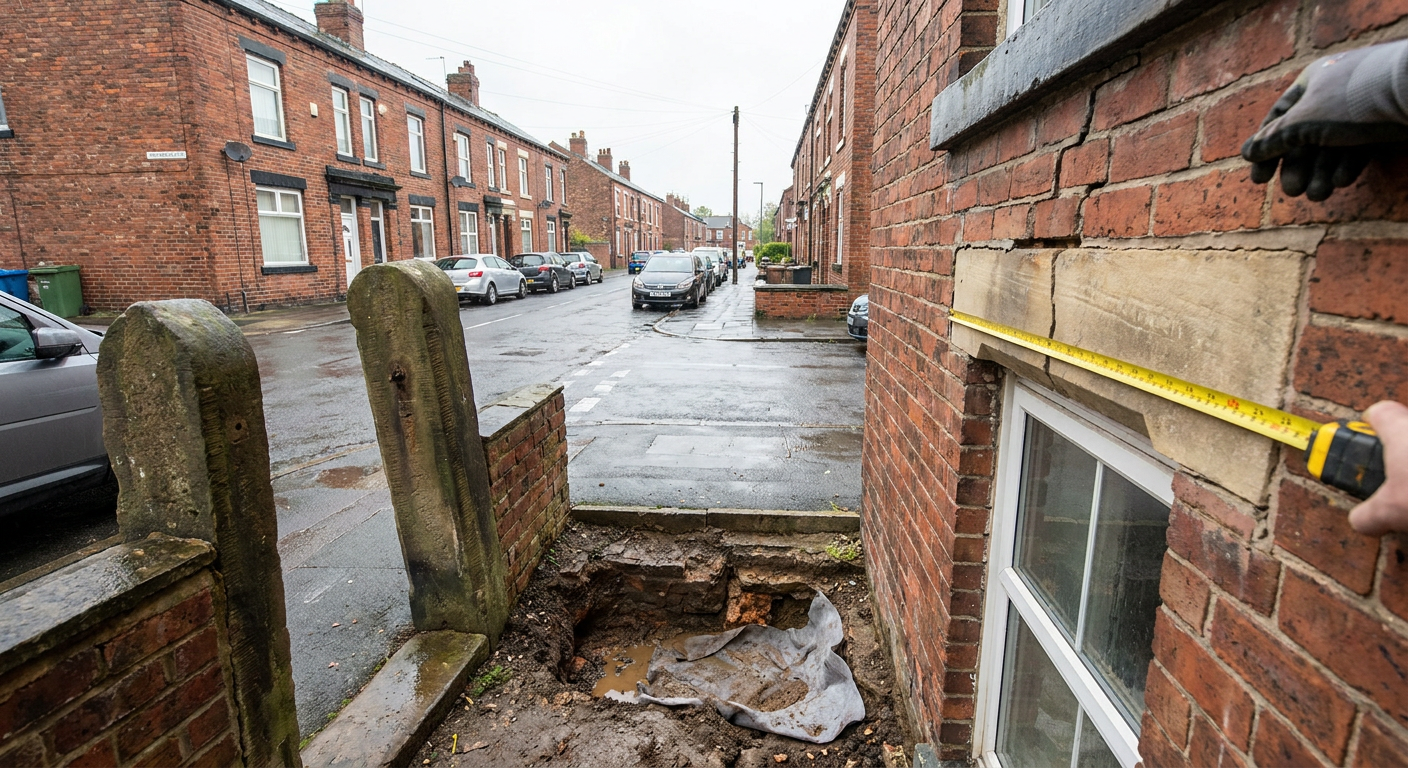
When surface observations are not enough, the specialist may recommend a trial hole investigation at your house. This means digging a narrow pit next to the foundation so they can see how deep it goes, what it sits on, and whether the soil underneath has washed away or compressed.
Trial holes are usually dug by hand or with a small mechanical breaker. The work takes a few hours and happens outside. Afterwards, the specialist backfills the hole and reinstates the ground. If the hole was in a lawn, they replace the turf. If it was through a concrete path or driveway, they patch the surface. The goal is to leave the garden looking as it did before they started. Homes built on old mining ground in areas like Kippax sometimes need this step to confirm what lies below the topsoil.
The report and sending it to your insurer
Once the survey and any monitoring are complete, the specialist writes up their findings. This subsidence report for insurer submissions sets out the cause of the movement, the extent of the damage, and the recommended repair method. It includes the measurements taken, photographs, and a clear explanation of why a specific solution suits your home. If you are buying or selling a home in Chapel Allerton or Headingley and a lender has flagged movement, the same report satisfies mortgage requirements. You receive a copy too, so you know exactly what the engineer found and what they recommend doing next.
Getting other quotations while this goes on
Asking for help does not lock you into a single contractor. You remain free to seek other quotations at any stage. If the specialist recommends underpinning, you can take their report to different firms and compare prices. The same applies if resin injection or screw piling is suggested.
Some homeowners prefer to gather several estimates before instructing anyone. That is normal and expected. The free structural assessment in Leeds gives you the information you need to make those comparisons fairly, because every contractor quotes from the same set of facts. You control the pace. If your cracks are getting wider quickly, the specialist can usually visit within days rather than weeks. For slower movement, you have time to think, ask questions, and decide what feels right for your home.
Signs that your home might be moving
Movement in the ground beneath a house shows itself gradually. Cracks appear, doors start sticking, and floors lose their level. These signs do not always mean subsidence, but they warrant attention.
- 1
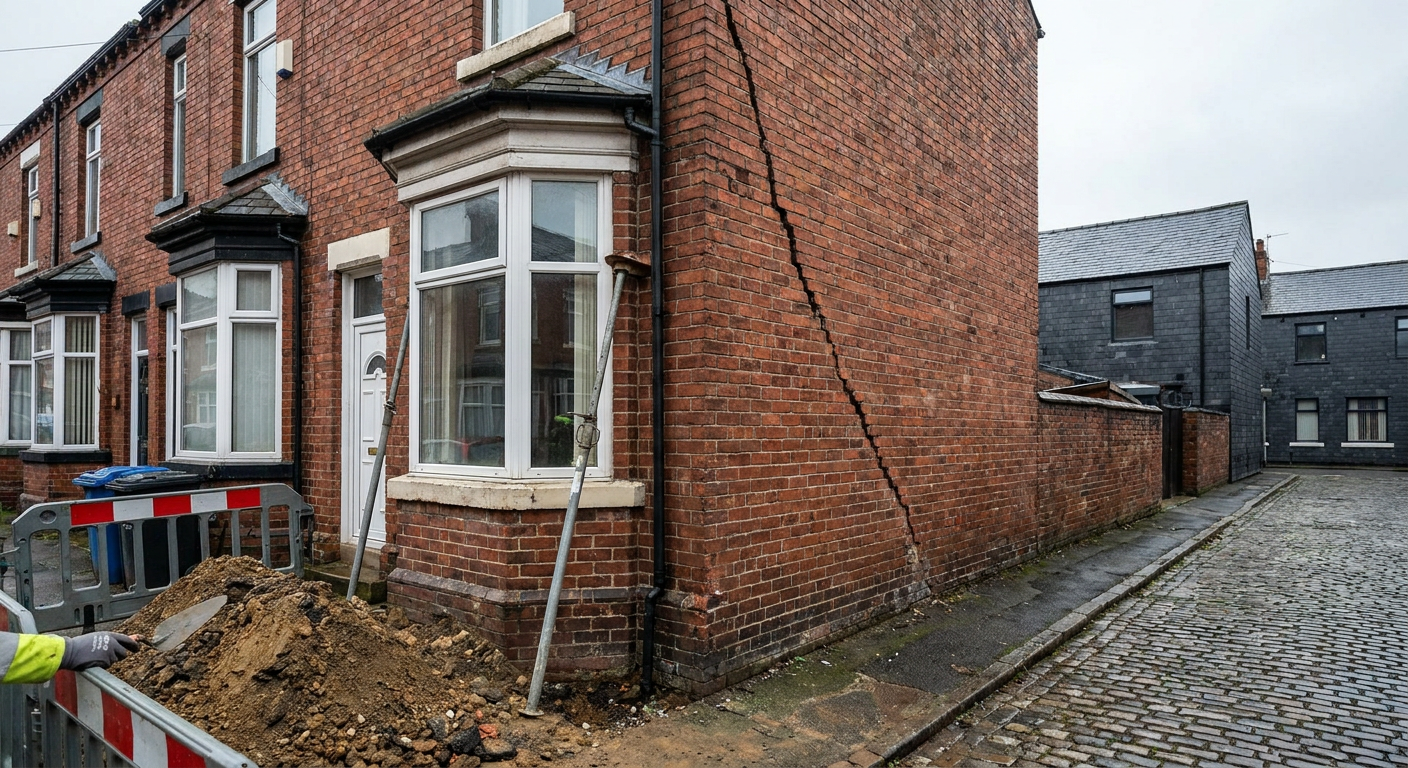
Diagonal cracks in brickwork
A crack running at an angle from a window corner or door frame often points to differential settlement in the wall below.
- 2
Doors that stick or jam
Frames distort when walls shift. A door that previously closed easily now catches on the top or drags along the floor.
- 3
Gaps around skirting boards
Floors dropping slightly away from walls leave a visible gap where the timber skirting used to sit flush against the plaster.
- 4
Cracks wider at the top
Tapering cracks that open more at the ceiling than at floor level suggest one side of the wall is sinking faster than the other.

Questions about subsidence surveys in Leeds
Homeowners across Leeds ask these things before deciding whether to proceed. Here is what to expect.
- Does the first visit cost anything?
- No. The initial inspection at your home is free. You pay nothing for the specialist to attend and assess the damage.
- How soon can someone visit?
- If cracks are widening rapidly, the specialist can usually attend within days. Slower movement allows more flexibility in scheduling.
- Can I get other quotations?
- Yes. You are never tied to one firm. Take the findings elsewhere and compare prices before committing to any repair work.
- Will my insurer accept the report?
- The structural engineer, who holds chartered status with the Institution of Structural Engineers or the Institution of Civil Engineers, produces a written report setting out what they found, why the movement is happening and what needs to happen next.
- Do they dig holes in my garden?
- Only if surface evidence is insufficient. Any trial holes are backfilled and the ground is made good once the investigation finishes.
- How long does monitoring last?
- Usually six to twelve months. Tell-tales track seasonal movement so the specialist can see whether the ground is still shifting.
Tell us what you have noticed at home
Send the details of the cracks or movement you have spotted. A specialist covering your area of Leeds will read them and contact you. There is no charge and no obligation to proceed.
- Free initial assessment
- No obligation to proceed
- Local structural specialists