Screw piling for foundations
If your home in Leeds shows signs of movement and the ground is soft, waterlogged or hard to reach, conventional underpinning may not be practical. Screw piling offers a minimally disruptive alternative that transfers structural loads deep into stable strata without extensive excavation.
Movement that resists simple fixes
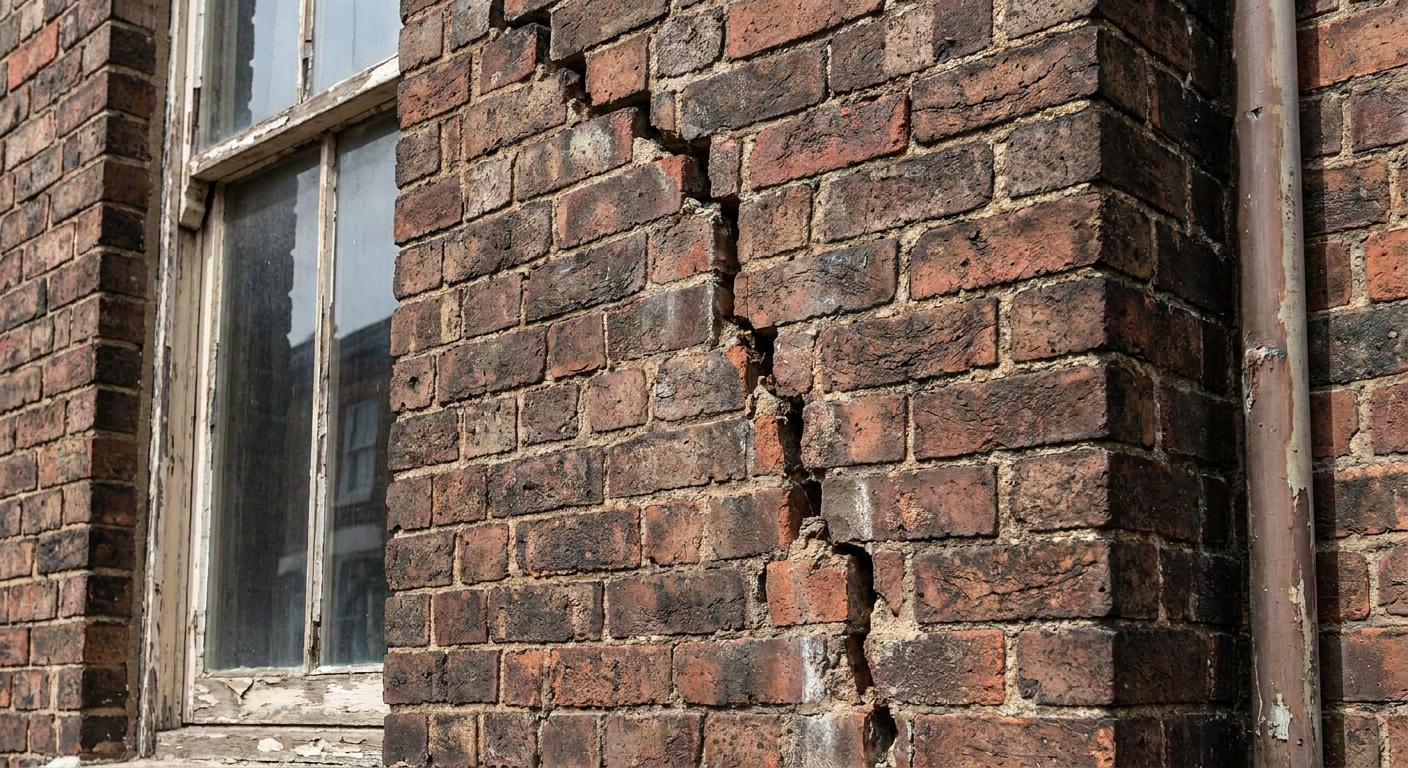
You may have noticed cracks reappearing after patching, doors sticking even after planing, or uneven floors that worsen after heavy rain. In parts of Leeds with variable ground, especially near streams in Otley, clay pockets in Wetherby or made-up ground in older industrial areas like Armley, shallow foundations can lose support.
When access is tight, as in back-to-back terraces in Hunslet or narrow plots in Chapel Allerton, digging out traditional footings becomes impractical. Screw piling works where space, soil or season limit other options, driving helical steel piles deep enough to bypass unstable layers.
What you receive after the work
The specialist documents every stage and leaves you with clear evidence of stability restored.
Written engineering report
A detailed record of pile depth, torque readings and load capacity, suitable for insurers or future buyers.
Minimal disruption record
Photos and notes showing how little excavation was needed, useful if you share party walls or have limited garden access.
Load-transfer confirmation
Verification that the building’s weight now rests on competent strata, not the problematic upper layers.

Signs screw piling may be needed
These indicators often point to deeper instability that standard repairs won’t resolve.
Cracks reopening after repair
Diagonal cracks above windows or along external corners that return within months suggest ongoing movement beyond surface plaster.
Doors binding seasonally
Sticking doors or windows that ease in dry weather but jam after rain can signal clay shrinkage or swelling beneath shallow footings.
Adjacent excavation effects
How it unfolds for you
From first contact to final verification, each step is managed by the specialist covering your area.
Initial site assessment
Pile installation
Using small rigs that fit through standard doorways, they screw galvanised steel piles into load-bearing strata, monitoring torque to confirm capacity.
Structural connection
Once piles are set, they attach brackets to your existing footings and gradually transfer the building’s load onto the new foundation system.
What people ask us about subsidence
Is screw piling noisy or disruptive?
Installation uses hydraulic motors quieter than jackhammers, and rigs fit through most garden gates. Most jobs finish within days, not weeks.
Will it work on my 1930s semi in Morley?
Yes, if boreholes show unstable fill beneath the original strip footings. Screw piles bypass weak layers without excavating under your neighbour’s wall.
Can I claim it on insurance?
Some buildings policies cover foundation repairs for sudden subsidence. Check your wording or ask your insurer; the specialist can supply a technical report.
How deep do the piles go?
Typically 5 to 15 metres in Leeds, depending on where stable sandstone, limestone or dense gravel is found beneath the clay or made ground.
What you have read here is general background on subsidence rather than guidance about your own building, and only an inspection can say what holds true at your address.
Stabilise your home properly
Speak to a specialist who knows Leeds ground conditions and can explain whether screw piling fits your situation.