Across Leeds
Subsidence repair in Leeds: what can be done
Describe what you have noticed and an enquiry goes to the right specialist firm. There is no charge for asking, and no obligation to proceed if the answer turns out to be minor.
Understanding subsidence in your home
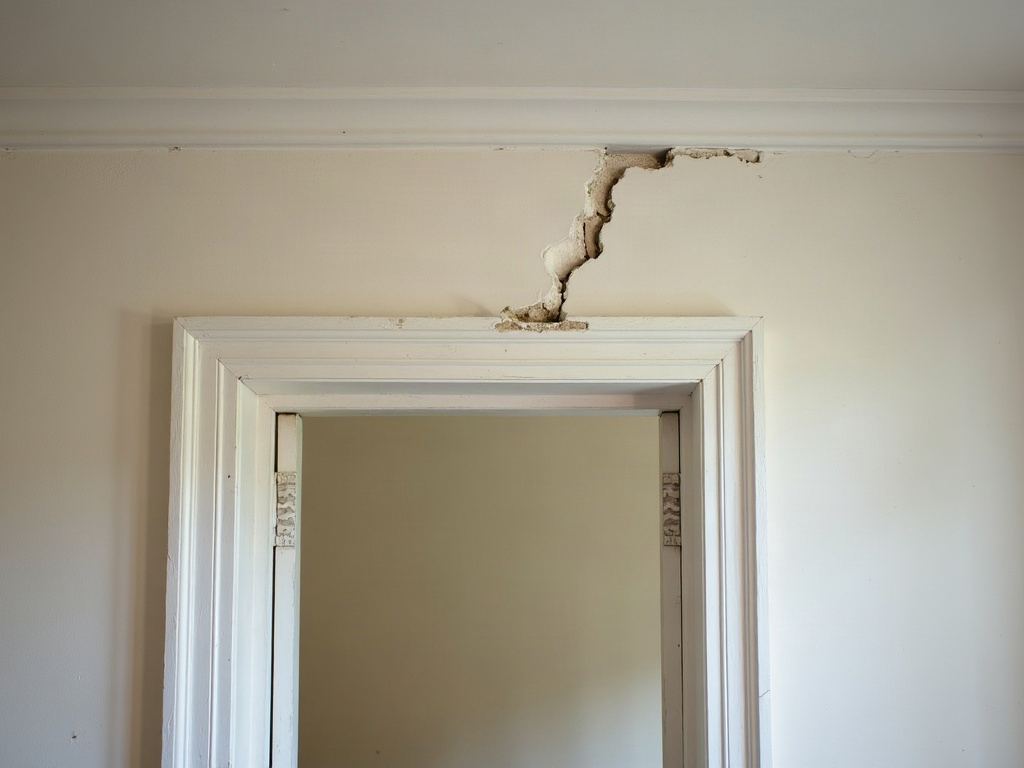
A crack appearing above a door frame or along a wall does not always mean the ground beneath your home has failed. Seasonal changes in moisture cause clay soils around Leeds to swell and shrink, and many houses move slightly every year without sustaining damage. But when movement continues in one direction, or a gap widens past a few millimetres, it stops being normal settlement.
The first step is finding out whether the movement is active. A specialist surveyor examines the pattern of cracking, checks doors and windows for sticking, and looks at the soil type and nearby trees. That visit determines whether the house needs monitoring over several months or immediate structural work. You can read more about what causes these problems on the page covering subsidence help in Leeds, which walks through cracks, causes and the next steps to take.
If the survey points to ongoing movement, the specialist will recommend a specific method to stabilise the foundations. The right approach depends entirely on what is causing the ground to shift.
Underpinning and foundation repair
When the soil under a home can no longer support its weight, a specialist contractor carries out underpinning. This means excavating sections below the existing foundations and pouring new concrete to reach stable ground. It is heavy work, usually required where clay shrinkage, leaking drains or old mining activity has left voids beneath the footings.
Not every case of subsidence demands traditional underpinning. A specialist assesses the depth of the problem and the type of construction before recommending a method. Victorian terraces in Chapel Allerton need a different approach from post-war semis in Middleton, because the original foundations were built to different standards and sit on different ground conditions.
You can find out exactly what this process involves on the underpinning page. It covers the stages of the work, how long each phase takes, and what living in the house looks like while the contractor operates outside your walls. The specialist handles all the structural calculations and any building control approvals required.
Resin injection for settlement
Digging out foundations is not always necessary. Where the ground has compacted unevenly or small voids have formed beneath a slab, a specialist can inject expanding structural resin into the soil. The resin fills gaps and compacts loose material, lifting settled floors back towards their original level without excavation.
This method suits situations where the movement is localised rather than affecting the whole house. It is faster than traditional underpinning and creates far less disruption inside the rooms above. A specialist determines whether the soil conditions are appropriate for resin by reviewing the survey findings first.
The resin injection page explains how the material behaves once it enters the ground, what types of settlement it addresses, and where it falls short. Because the process relies on chemical expansion rather than mass concrete, it works best on specific soil profiles common in parts of Leeds but unsuitable for others. The specialist will state plainly if resin cannot solve the problem.
Screw piling on made ground
Some areas of Leeds sit on ground that was filled or disturbed decades ago. Old quarry sites, former industrial yards and land near the river often contain loose fill that compresses unpredictably under the weight of a house. When standard foundations fail on this type of ground, a specialist installs screw piles.
Steel shafts with helical plates are driven deep into the earth until they reach a load-bearing stratum. The house is then transferred onto these piles using brackets or a new reinforced beam. Screw piling avoids the need for large volumes of wet concrete and can be installed in tight spaces where conventional rigs cannot fit.
The screw piling page details how the technique works on made ground across Leeds. It covers the equipment used, the noise levels neighbours might expect, and the engineering principles that keep the home stable once the piles are torqued to their required resistance.
Cracked concrete floors and slabs
Subsidence does not only affect brick walls. Concrete floors in garages, driveways and ground-floor extensions crack and drop when the subsoil shifts. A sunken garage slab can pull away from the main house walls, creating gaps that let in water and draughts. Driveways split along joints as the ground beneath them settles unevenly.
Repairing cracked concrete requires understanding why it moved in the first place. Pouring fresh concrete over a failing base simply delays the next crack. A specialist identifies whether the issue stems from tree roots, poor drainage, or weak original construction before proposing a fix.
The page on cracked concrete floors covers slabs, drives and garages across Leeds. It explains the difference between surface crazing and structural failure, and outlines the methods a specialist uses to lift, stabilise or replace affected sections. If the cracking connects to wider movement in the house, the specialist will say so rather than treating the floor in isolation.
How an enquiry moves forward
Once you describe what you have seen, the details go to a specialist firm equipped to handle that particular problem. They review the information and arrange a site visit to examine the house in person. That survey establishes whether the movement is historic or active, and what intervention is needed.
You receive a clear explanation of the findings. If the crack is harmless thermal movement, the specialist will tell you. If the foundations require work, they provide a specification and a price for carrying it out. There is no pressure to accept the quote, and no fee for the initial enquiry.
Every service listed here operates the same way. The specialist surveys the home, diagnoses the cause, and proposes the repair. You decide whether to proceed. The guides section contains further reading on insurance claims, tree root damage, mining legacy and what happens after you enquire, so you can understand the process before anyone visits your home.
Tell us what you have noticed at home
Send a description of the cracks or movement you have spotted. A specialist firm receives the details and contacts you to arrange a survey. There is no fee for this and no obligation to accept any subsequent quote.
- No cost to enquire
- No obligation to proceed
- Specialist reviews your details
Services
- Subsidence help
A subsidence survey in Leeds establishes what is moving and why, from crack patterns to soil, trees and drains, before any repair work is priced.
- Underpinning
Underpinning in Leeds explained, including mass concrete, resin injection and screw piling, what each method suits and how foundation work is planned.
- Concrete cracking
Cracked concrete floors, drives and garage slabs in Leeds: see which cracks point to shrinkage and which suggest ground movement under the slab.
- Resin Injection
Resin injection in Leeds lifts and stabilises ground under floors and footings with less digging than underpinning. See when it suits and what it involves.
- Screw Piling
Screw piling in Leeds carries building loads through weak, filled or made ground to firmer strata below. Learn how the piles work and where they fit.