Subsidence help in Cross Gates
You’ve noticed new cracks or sticking doors in your Cross Gates home and want to know whether it’s serious. A specialist can inspect the property, identify likely causes and explain what, if anything, needs doing.
Cross Gates homes and ground movement
Cross Gates has a mix of inter-war semi-detached houses and older terraced properties, many built on clay soils that respond to changes in moisture. Tree roots drawing water from the ground, leaking drains softening the soil, or seasonal drying can all contribute to foundation movement.
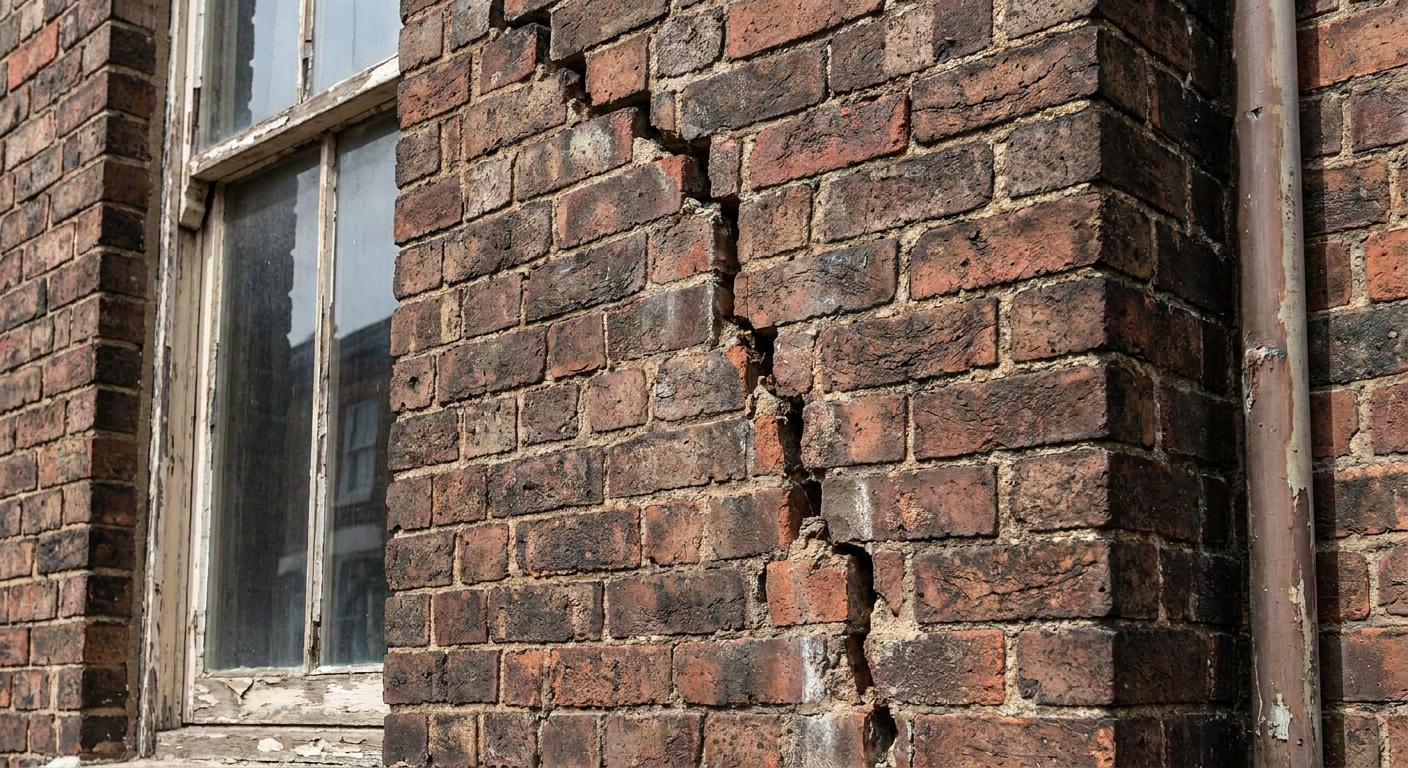
Houses along Austhorpe Road, Barwick Road and the estates near Whitkirk Lane often show similar patterns: diagonal cracks near windows, doors that stick in summer but ease in winter, or uneven floors in rear extensions. These signs don’t always mean major work is needed, but they do warrant a proper inspection.
Signs we see in Cross Gates homes
The services below address the most common issues reported by residents in Cross Gates and nearby areas like Seacroft, Whitkirk and Manston.

Subsidence Investigation and Advice
A specialist surveys the property to determine whether cracks and movement are due to subsidence, thermal expansion, or normal settlement, and explains what that means for your home.

Underpinning Work Explained
Where foundation failure is confirmed, underpinning may be recommended. The specialist will outline whether it’s necessary, how it’s done locally, and what disruption to expect.

Cracked Concrete Floors, Slabs and Walls
Cracks in garage floors, conservatory bases or internal slabs can signal ground movement. A specialist checks their pattern and width to assess whether stabilisation is needed.
Resin Injection Ground Stabilisation
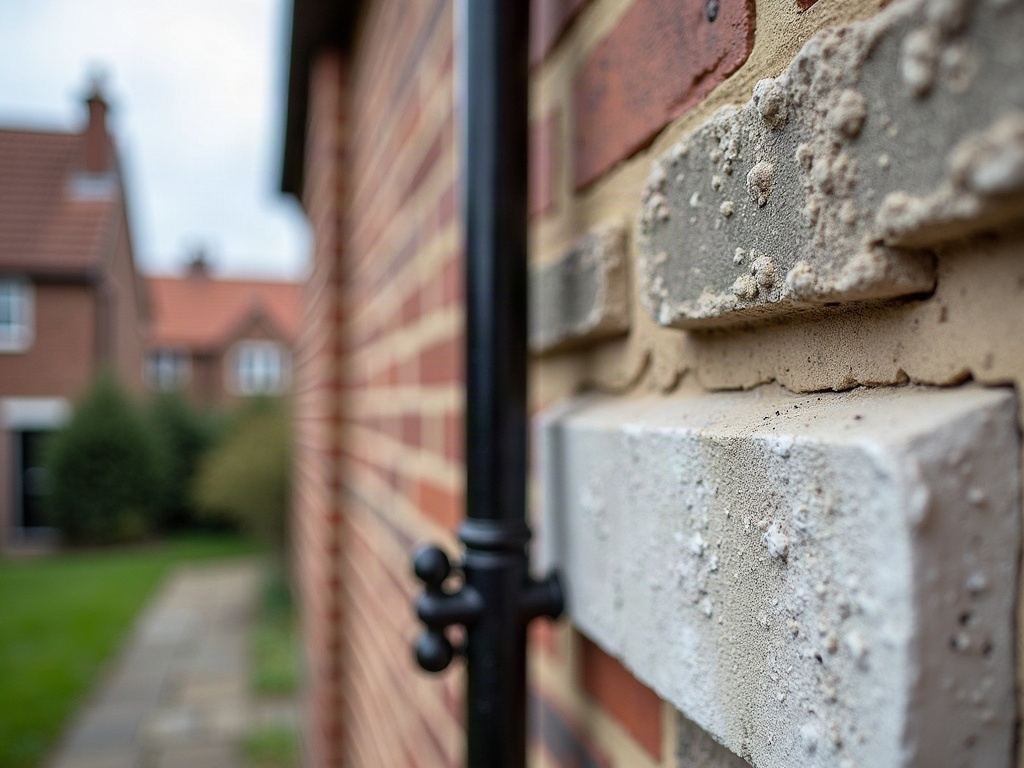
For minor settlement or voids beneath slabs, resin injection can re-level and support the ground without excavation. It’s often used on rear extensions and driveways in Cross Gates properties.
Screw Piling for Foundations
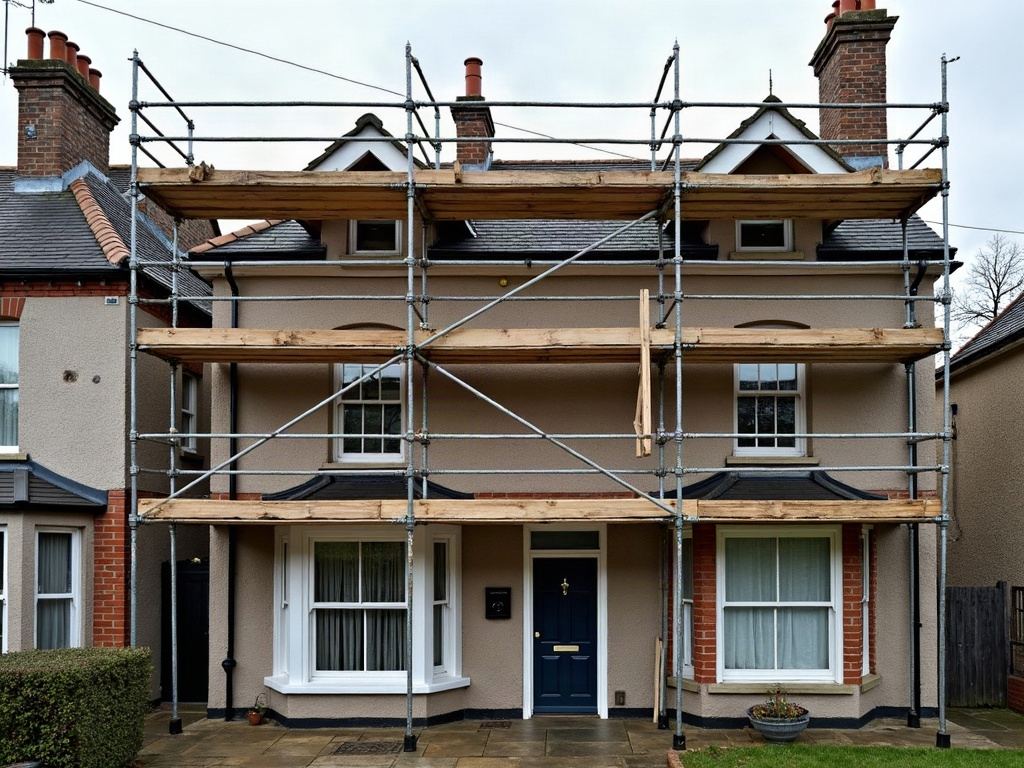
In cases where deeper support is required, such as on sloping plots near Cross Gates Lane, screw piling offers a minimally invasive alternative to traditional underpinning.
What you receive after a visit
The specialist who takes your enquiry produces clear, practical findings, not assumptions.
Measured crack widths
Every visible crack is recorded with its location, direction and width to track whether movement is active or historic.
Drainage and tree assessment
The specialist checks for leaking drains near the property and evaluates nearby trees for their potential impact on clay shrinkage.
Written summary
You’ll receive a written overview of the findings, possible causes and repair options, useful if you need to speak to your insurer.
No pressure to proceed
The specialist explains what’s needed, if anything, and leaves you free to decide whether to go ahead or seek other quotes.
Repairs suited to Cross Gates properties
Subsidence help in this area often starts with ruling out simple causes: a blocked downpipe, a recently planted tree, or an old crack mistaken for new movement. Where genuine foundation issues exist, the approach depends on the house type and ground conditions.
Underpinning is reserved for confirmed structural failure, while resin injection is more common for stabilising shallow slabs or filling voids under paths and patios. Screw piling is occasionally used where access is tight or the ground requires deeper anchoring, particularly on plots backing onto fields or railway land.
What people ask us about subsidence
Do all cracks mean subsidence?
No. Hairline cracks in plaster or mortar are common in older homes and often result from thermal expansion or minor settlement. Diagonal cracks wider than 3mm, especially near windows or doors, are more likely to need investigation.
Will my insurance cover this?
Most UK buildings policies include subsidence cover, but you’ll usually need to pay an excess and demonstrate that the movement is recent and structural. Check your policy wording or speak to your insurer.
How long does a survey take?
A specialist typically spends 1–2 hours on site, checking levels, drains, trees and crack patterns. They may install monitors if movement needs tracking over weeks or months.
Can trees really cause subsidence in Cross Gates?
Yes, especially on clay soils. Tree roots extract moisture in dry periods, causing the soil to shrink and foundations to settle unevenly. Removal isn’t always the answer; sometimes pruning or root barriers are more appropriate.
What you have read here is general background on subsidence rather than guidance about your own building, and only an inspection can say what holds true at your address.
Get clarity on your cracks
Send your details and a specialist covering Cross Gates will contact you to discuss what’s happening in your home.