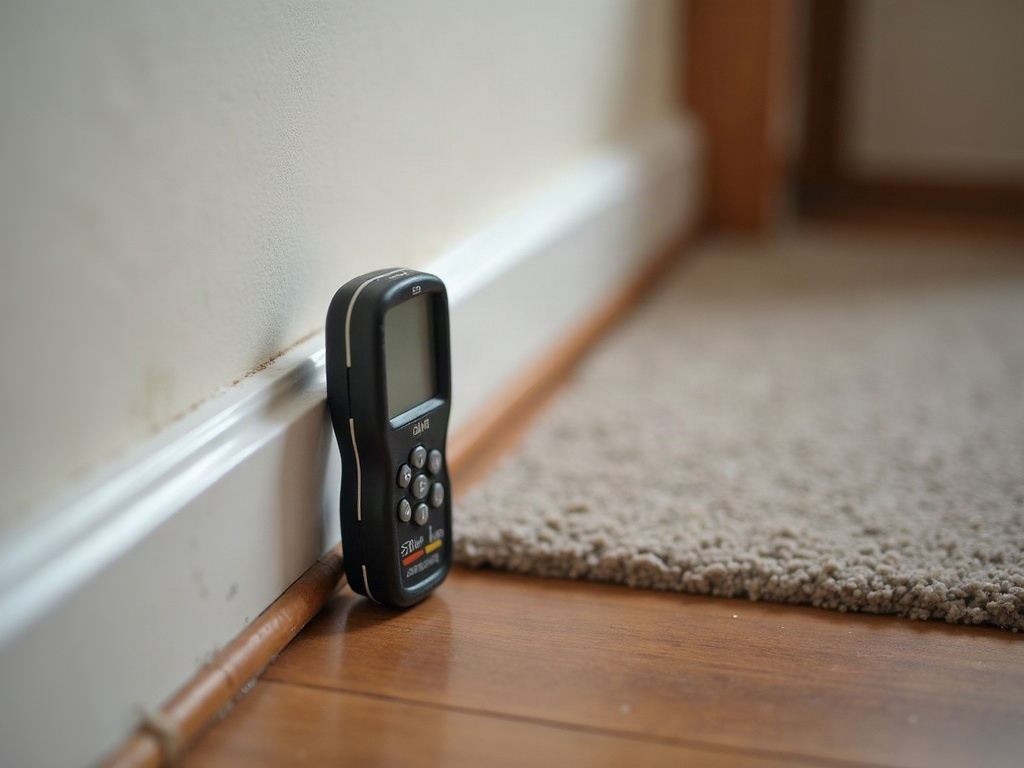
Leeds homes
Is that crack something to worry about?
You’ve spotted a crack and want to know if it’s serious. Find out whether it needs action or can be watched safely. Enquiries are free and carry no obligation.
Cracks that usually aren’t serious
Hairline cracks less than 1mm wide often appear as homes settle naturally. They are common above door frames or along drywall joints. These rarely signal structural trouble.
Cracks caused by seasonal changes in temperature or humidity can open slightly in winter and close in summer. If they stay under 2mm and don’t grow over time, they’re typically not a concern.
Cracks that may need investigation
Diagonal cracks wider than 3mm, especially near windows or corners, can suggest movement in the structure. Stair-step cracks running along brick mortar joints may also point to foundation shifts.
Vertical cracks that widen toward the top or bottom, or that run through multiple floors, sometimes indicate uneven settling. These should be assessed if they grow or accompany other signs like sticking doors.
Where the crack appears matters
Cracks in internal partition walls are often harmless. Cracks in external brickwork or across concrete floor slabs can carry more weight, particularly if they align with similar cracks inside.
A crack that lines up on both sides of a wall, or one that cuts through structural elements like lintels, may reflect deeper movement. Location helps gauge whether further checks make sense.
How quickly it changes
A crack that stays the same width over several months is usually less urgent than one that visibly widens within weeks. Placing a piece of tape across the crack can help track movement—if the tape splits or peels quickly, it may indicate ongoing structural shift.
Sudden cracks appearing after nearby construction work, tree removal, or extended dry spells can signal ground movement, often linked to clay shrinkage or changes in soil moisture. However, not all such cracks point to serious subsidence. Some are superficial and stable, while others may need specialist assessment. If you are unsure whether a crack is minor or a sign of deeper issues, seeking early advice can clarify whether monitoring or investigation is appropriate.
Signs your crack might need a look
Cracks appear for many reasons. Some show normal settling or minor movement. Others can signal ground instability, structural strain or deeper issues beneath your home that may need professional assessment.
- 1
Wider than a 10p coin
Cracks noticeably wider than 3mm may indicate movement beyond typical settling. A 10p coin edge is about 2mm thick for rough comparison.
- 2
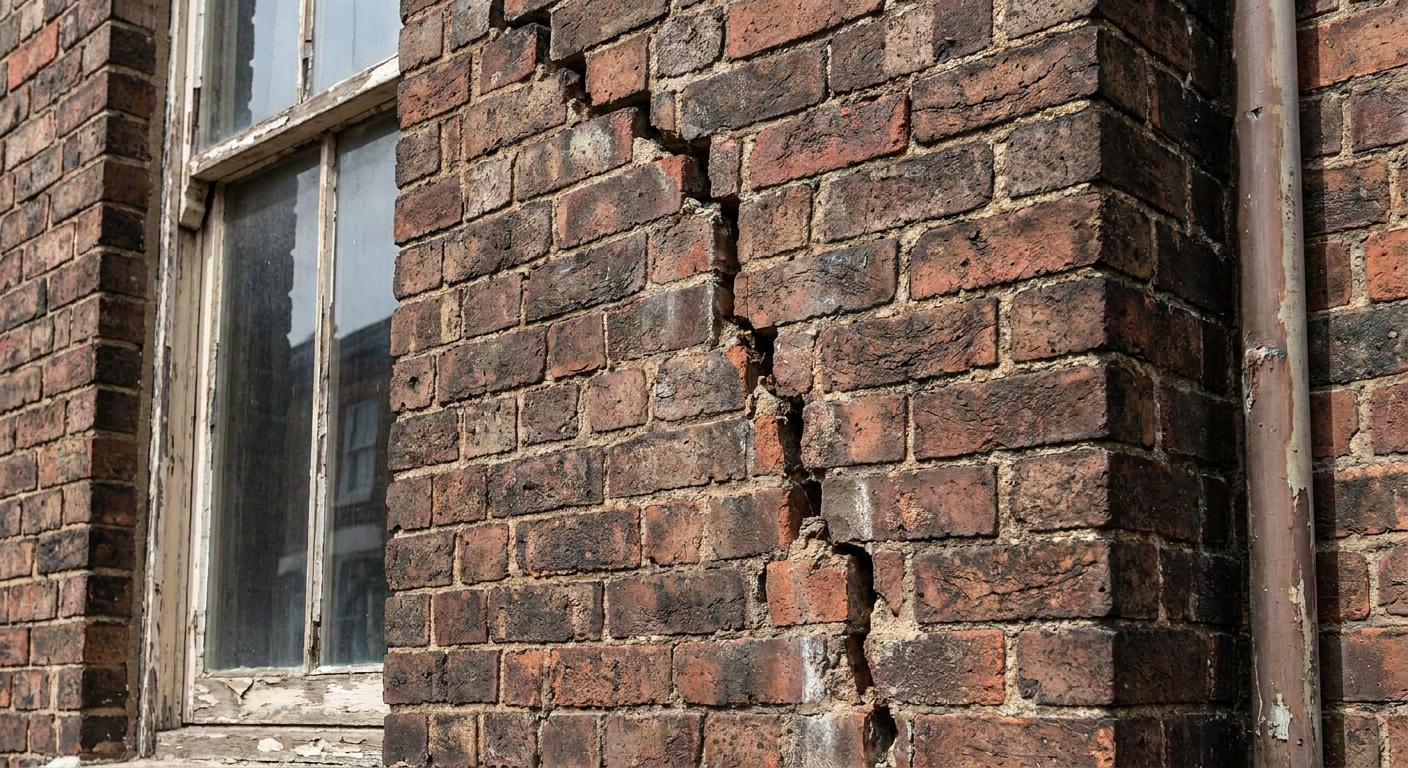
Diagonal across brickwork
Angled cracks cutting through bricks—not just mortar—can suggest shifting foundations. Straight mortar-only cracks are often less concerning.
- 3
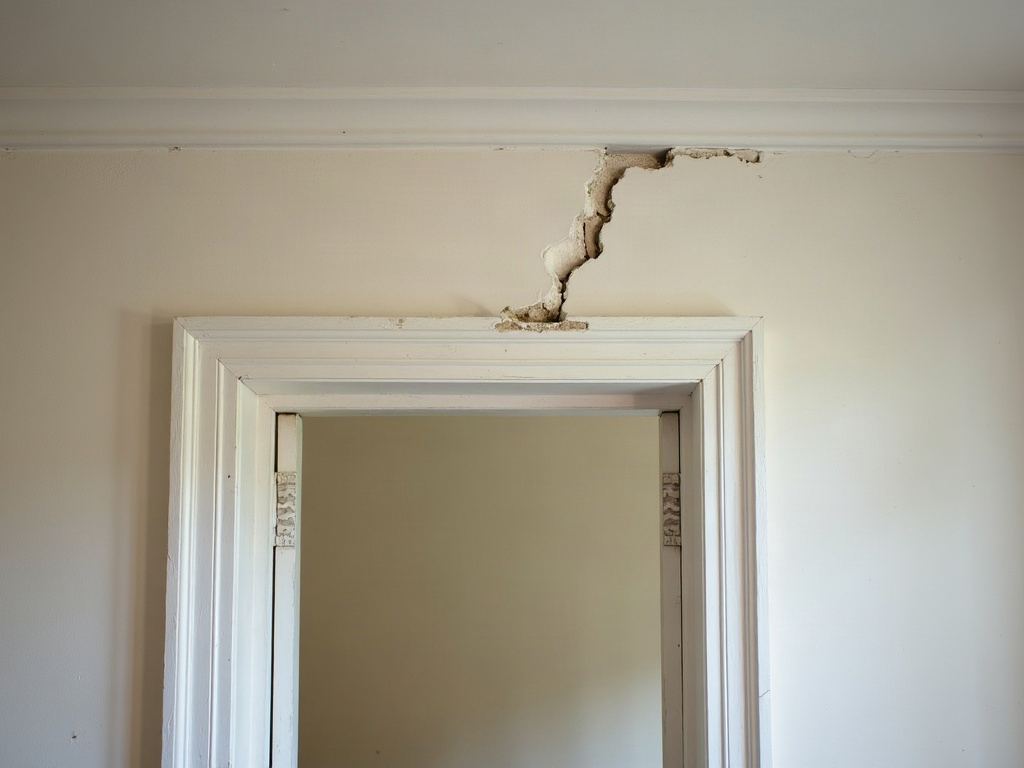
On several floors aligned
If a crack inside lines up with one outside, or runs down multiple storeys, it may reflect deeper movement worth checking.
- 4
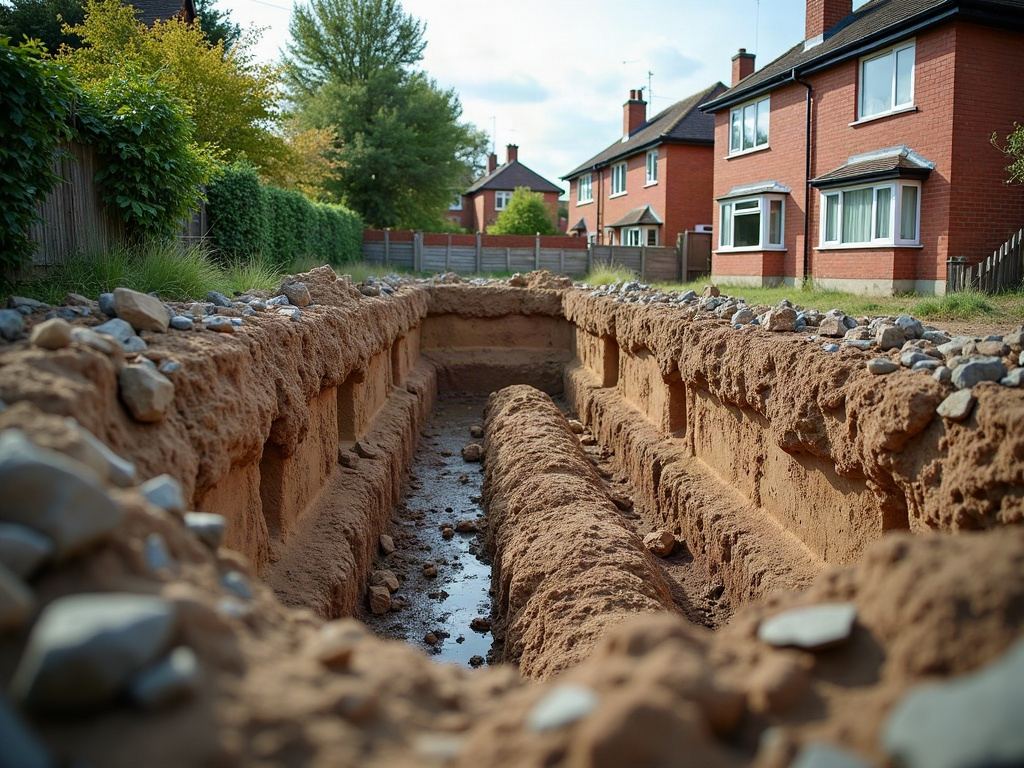
Doors stick suddenly
New sticking doors or windows alongside cracks can mean frames are distorting due to subtle shifts in the structure.
Common questions about wall cracks
Is a hairline crack in my wall anything to worry about?
Usually not. Hairline cracks under 1mm often result from drying plaster or minor settling. They’re common in newer homes and rarely need action unless they grow.
When should I get a crack looked at?
Consider an enquiry if the crack is wider than 3mm, growing, diagonal through brick, or accompanied by sticking doors. Early checks clarify whether it’s routine or requires attention.
Could this be subsidence?
Subsidence is one possible cause, but many cracks result from thermal movement, shrinkage or normal settlement. The exact cause cannot be known without a specialist assessment, as surface signs alone are not conclusive.
Will my buildings insurance cover this?
Insurance may cover structural movement like subsidence if it meets policy terms, but not wear, settlement or cosmetic cracking. Check your policy or ask your provider.
Share details of your crack
Describe where you see it, how wide it is and whether it’s changing. Your message goes to specialists covering Leeds. It costs nothing and commits you to nothing.
- No cost
- No obligation
- Leeds-based specialists