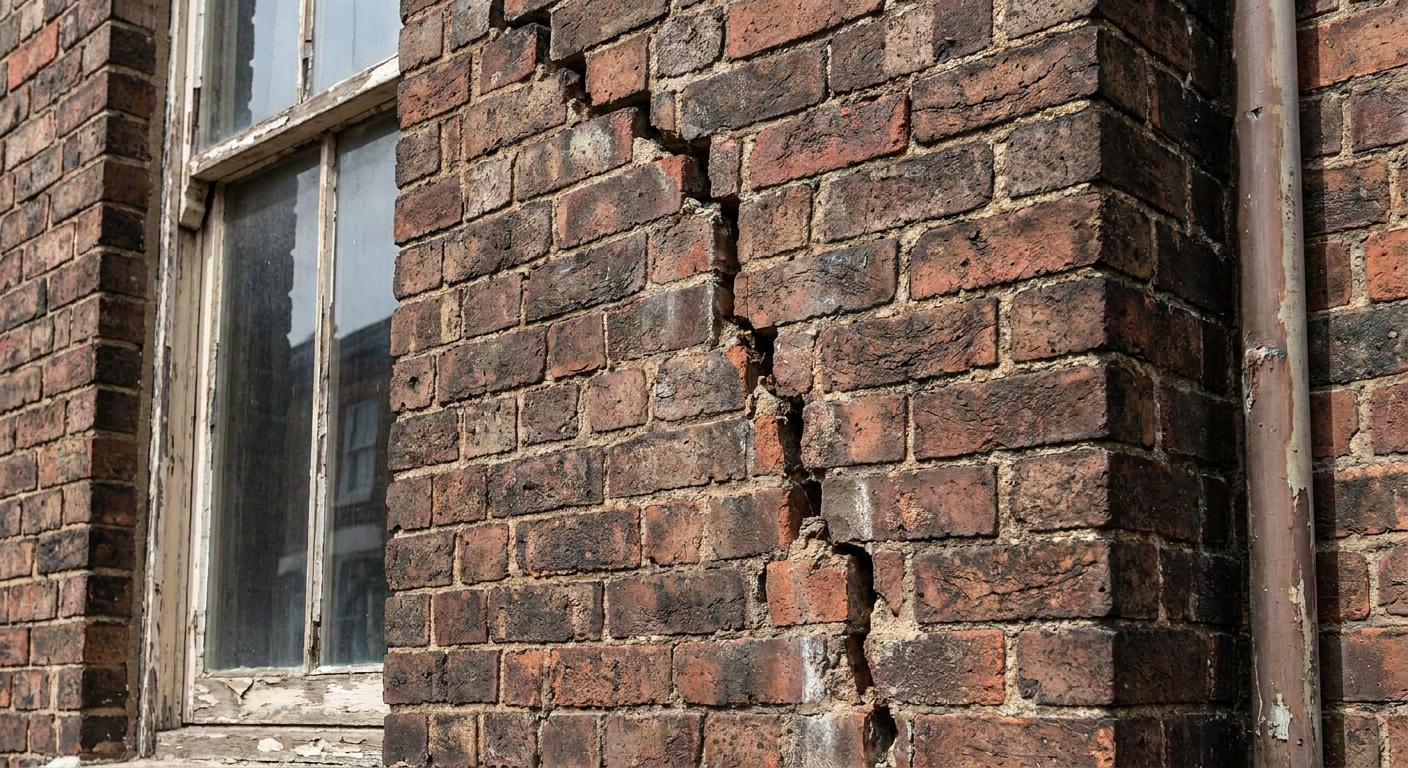
Subsidence help in Rothwell
If you’ve noticed new cracks in your walls, sticking doors or uneven floors in Rothwell, it’s worth understanding what might be happening beneath your home. Movement can look alarming but isn’t always serious, what matters is whether it’s recent, worsening, or tied to ground conditions that need attention.
Rothwell homes and ground conditions
Rothwell sits within the wider Leeds area where historic coal workings lie beneath parts of the southern suburbs. A specialist assessing movement here will consider whether old mine shafts, clay shrinkage or leaking drains are contributing factors.
Housing in Rothwell ranges from interwar semis to post-war builds and newer developments. Each era has typical weak points, a specialist knows where to look and what patterns matter.
Signs that prompt a closer look
These are common indicators seen in Rothwell properties that may lead to one of the services below:

Subsidence Investigation and Advice
A specialist surveys the property to determine whether observed movement stems from subsidence, settlement or another cause, and advises on necessary steps.
Underpinning Work Explained
Where foundation depth or stability is insufficient, underpinning may be recommended to strengthen the existing base and halt further movement.

Cracked Concrete Floors, Slabs and Walls
Cracks in concrete elements can signal ground movement or poor original construction; a specialist identifies the likely cause and whether repair is needed.
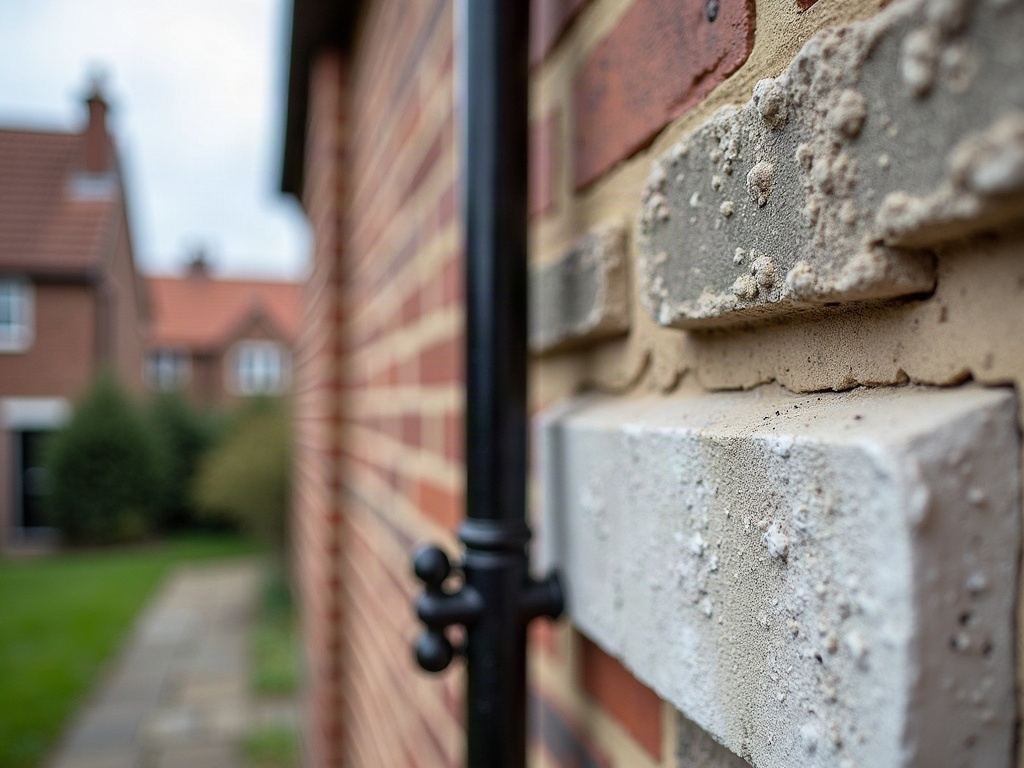
Resin Injection Ground Stabilisation
Liquid resin injected beneath slabs or footings can compact loose soil and lift settled areas without major excavation, often suited to lighter structures.
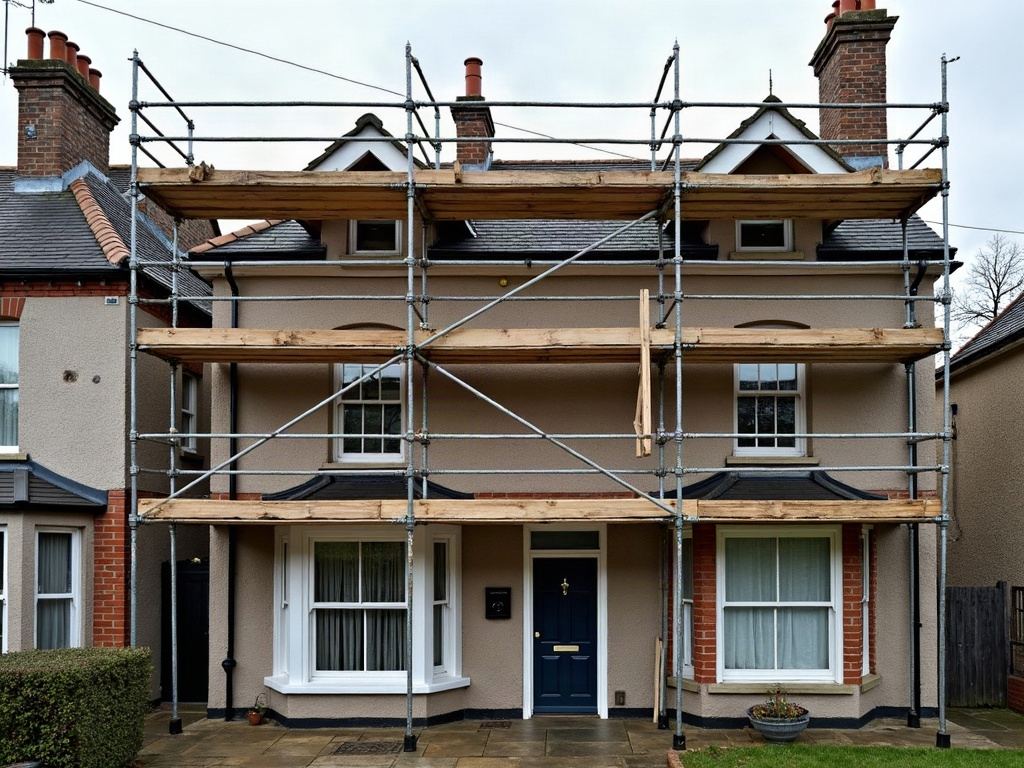
Screw Piling for Foundations
Helical piles screwed deep into stable ground offer a fast, minimally disruptive alternative to traditional underpinning, especially where access is tight.
What you receive after a visit
The specialist who inspects your Rothwell property produces clear findings you can act on:
Recorded crack mapping
All visible cracks are measured, photographed and logged by location so future movement can be tracked accurately.
Cause assessment
The specialist evaluates whether tree roots, clay soils, drain leaks or historic mining are likely contributors to any movement detected.
Repair options explained
You’ll receive a plain explanation of possible solutions, including whether no action is needed, minor repairs suffice, or structural work is advisable.
Report for insurers
If your buildings insurance covers subsidence, the specialist can provide a detailed report you may choose to send to your insurer.
Services available in Rothwell
Subsidence help in Rothwell includes full investigation, underpinning where required, and modern alternatives like resin injection or screw piling. These methods address different ground conditions and property types across the area.
Concrete cracking is assessed in context, some hairline cracks are normal in older homes, while wider or widening cracks may indicate active movement. The specialist decides what’s routine and what needs intervention based on site evidence, not assumptions.
What people ask us about subsidence
Does Rothwell have mining-related subsidence?
Some parts of Rothwell lie near historic coal workings, but most modern movement stems from clay shrinkage or drainage faults. A specialist checks borehole records and site history to rule out or confirm mining influence.
Will my buildings insurance cover this?
Many policies include subsidence cover, but terms vary. Check your policy or speak to your insurer. The specialist can supply a report you may choose to submit with a claim.
How long does an investigation take?
Initial inspection usually happens within days. Monitoring may run 3–12 months to confirm whether movement has stabilised, especially if seasonal clay effects are suspected.
Do I need to move out during repairs?
Most resin injection or screw piling jobs allow you to stay in the property. Underpinning sometimes requires temporary relocation, depending on access and scope.
What you have read here is general background on subsidence rather than guidance about your own building, and only an inspection can say what holds true at your address.
Get clarity on your home’s movement
Send your details and a specialist covering Rothwell will contact you directly to discuss what’s happening and what to do next.