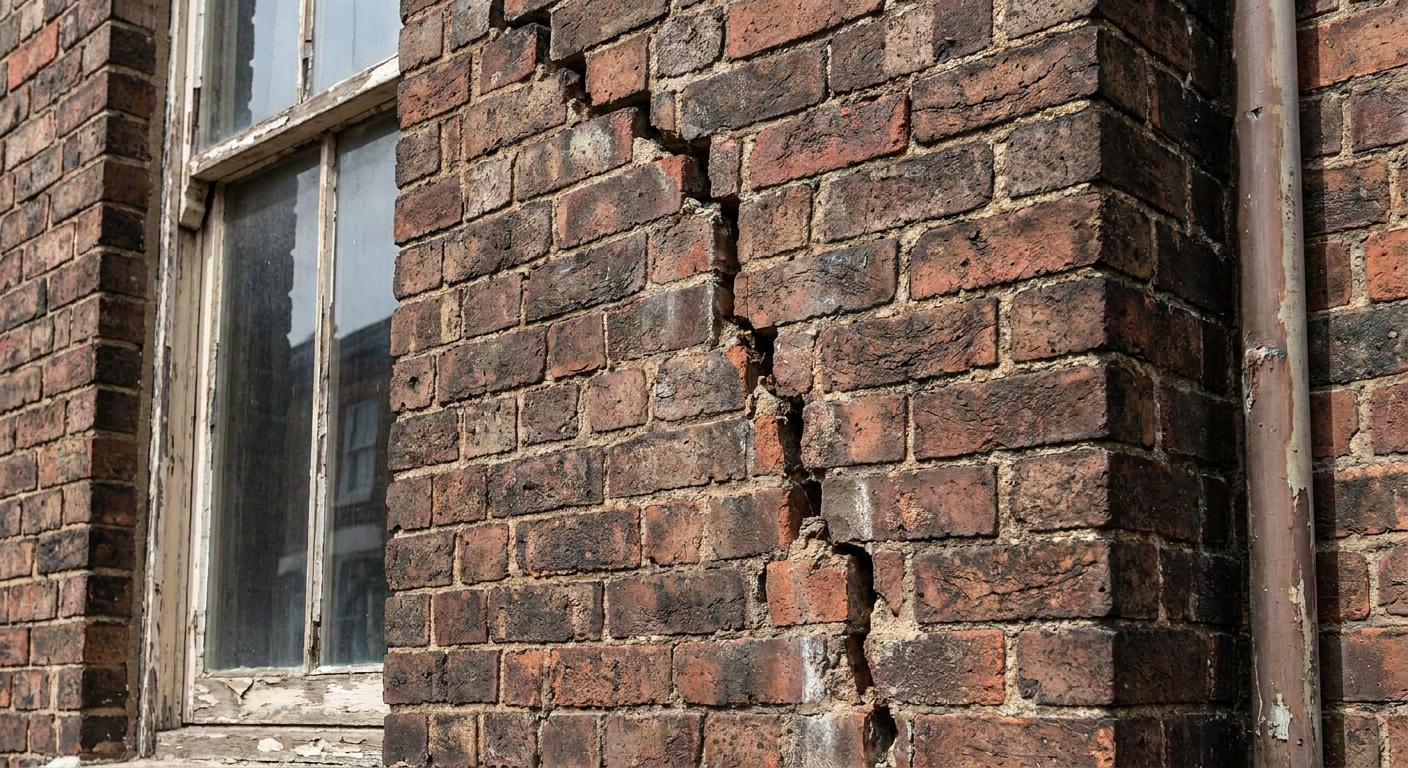
Subsidence help in Boston Spa
If your home in Boston Spa shows new cracks, sticking doors or uneven floors, it may be reacting to ground movement. A specialist can determine whether it’s minor settlement or something that needs repair.
Boston Spa homes and ground movement
Boston Spa sits within the wider Leeds area where older properties often show signs of movement over time. Many houses here were built before modern foundations became standard, so seasonal shifts in the ground can appear as cracks in walls or misaligned windows.
The local housing stock includes a mix of stone-built and brick properties, some dating back over a century. These materials respond differently to changes beneath them, and what looks like serious damage may turn out to be superficial – or vice versa.
Signs we see in Boston Spa homes
Each pattern of damage points toward a different cause and solution. A specialist checks the type, location and timing of movement before deciding what, if anything, needs doing.

Subsidence Investigation and Advice
A specialist surveys the property to distinguish between harmless settlement and active subsidence, checking crack patterns, levels and drainage.
Underpinning Work Explained
Where foundation failure is confirmed, underpinning may be needed to stabilise the structure; the specialist explains whether it applies to your home.

Cracked Concrete Floors, Slabs and Walls
Cracks in concrete elements can signal heave, shrinkage or poor compaction; the specialist identifies the cause and whether repair is necessary.
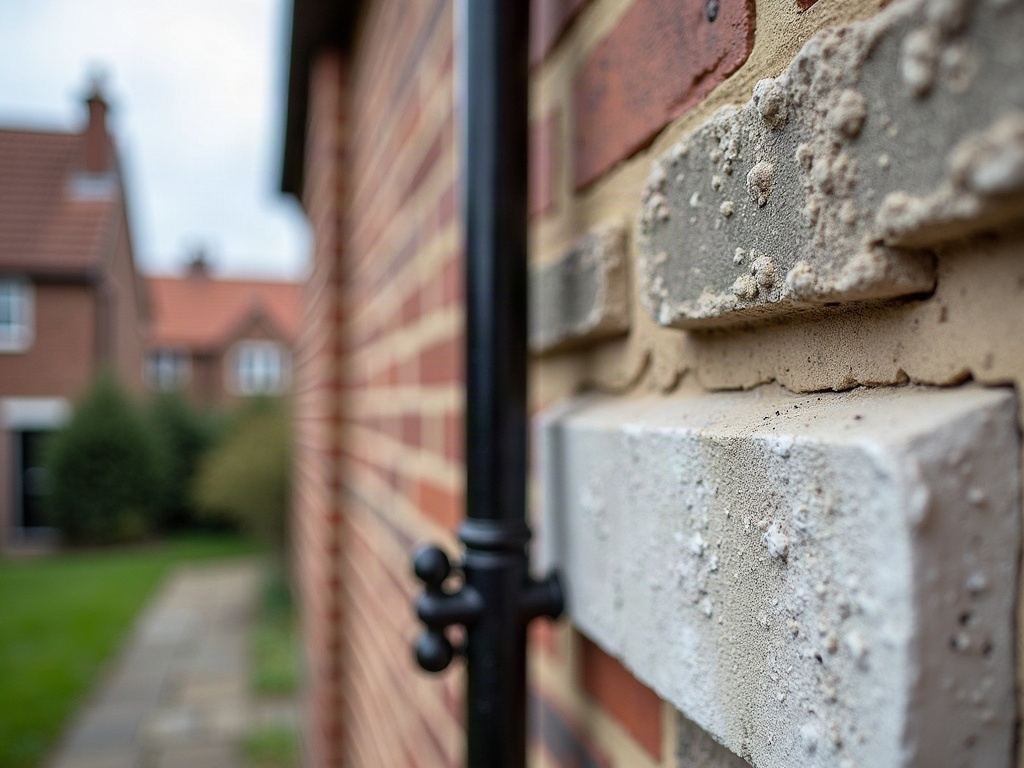
Resin Injection Ground Stabilisation
For minor movement or voids beneath slabs, resin injection can re-level and support without major excavation; the specialist assesses its suitability.
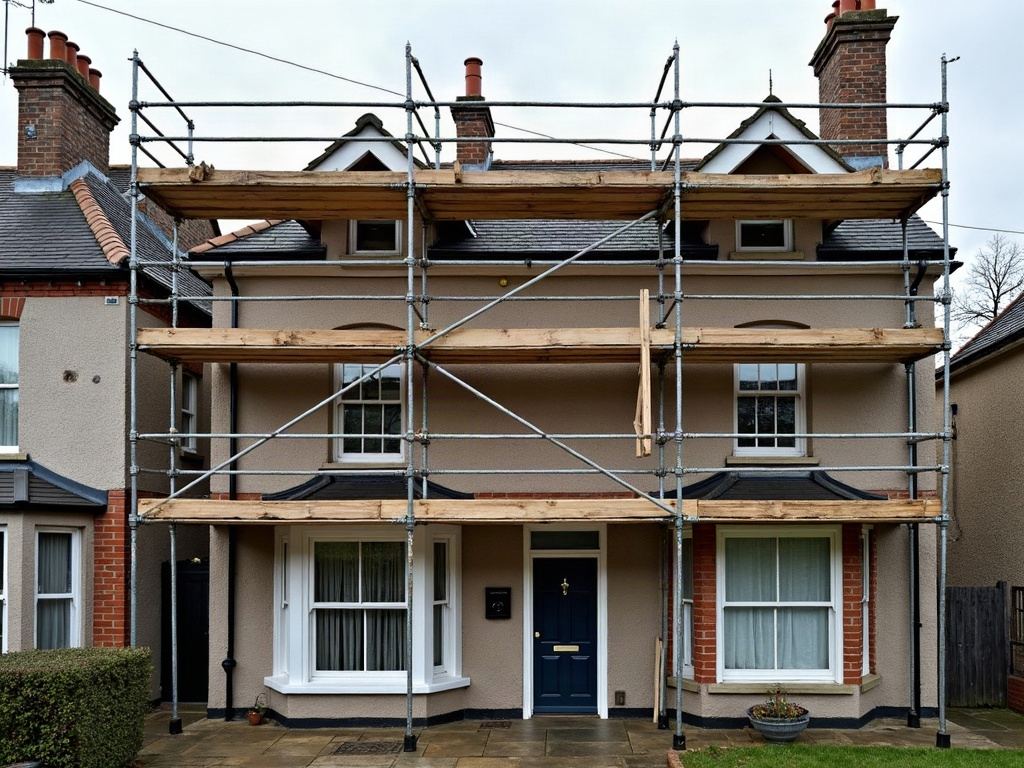
Screw Piling for Foundations
In cases requiring deeper support, screw piling offers a minimally disruptive alternative to traditional underpinning; the specialist determines if it fits your situation.
What you receive after a visit
The specialist documents their findings clearly so you can understand the issue and decide what to do next.
Measured crack records
Every visible crack is measured, photographed and logged with its width, direction and location to track movement over time.
Level and plumb checks
Floors, walls and door frames are checked for deviation using calibrated tools to confirm whether movement is ongoing or historic.
Drainage and tree assessment
The specialist notes nearby trees, downpipes and drains that could affect soil moisture and contribute to movement.
Written summary
You receive a clear written account of what was found, what it likely means and what options exist for repair or monitoring.
Repairs suited to Boston Spa properties
Subsidence help here starts with understanding how your house sits on the ground. Older stone walls and shallow footings respond well to targeted solutions rather than heavy intervention.
Resin injection and screw piling are often preferred for their precision and lower disruption, especially where access is tight or the building fabric is fragile. Underpinning remains an option where deeper instability is proven, but only after thorough investigation confirms it’s necessary.
Other pages that may help
Questions we hear in Leeds
Do all cracks mean subsidence?
No. Hairline cracks in plaster or mortar are often due to thermal expansion or drying shrinkage. Subsidence cracks are typically wider than 3mm, diagonal, and often wider at the top than the bottom.
Will my buildings insurance cover this?
Many policies include subsidence cover, but excesses can be high and claims may affect future premiums. Check your policy wording or speak to your insurer before proceeding.
How long does an investigation take?
An initial site visit usually takes half a day. If monitoring is needed, it can run for several months to confirm whether movement has stabilised.
Can trees cause subsidence in Boston Spa?
Yes, especially on clay soils. Tree roots draw moisture from the ground in summer, causing the soil to shrink and potentially pull foundations down with it.
What you have read here is general background on subsidence rather than guidance about your own building, and only an inspection can say what holds true at your address.
Get clarity on your cracks
A specialist covering Boston Spa will contact you directly to discuss what they would check and what steps might follow.