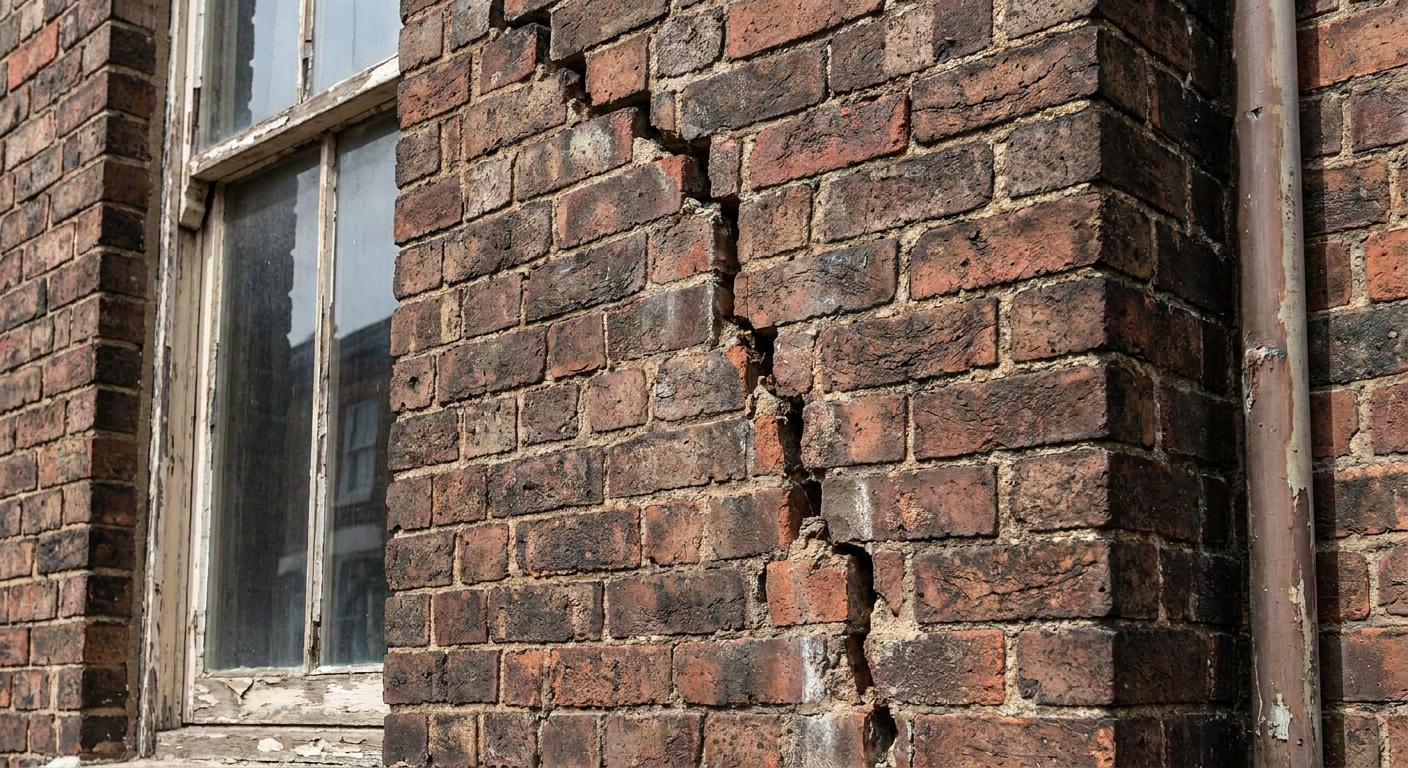
Subsidence help in Wetherby
If you’ve noticed new cracks, sticking doors or uneven floors in your Wetherby property, it’s worth getting them checked. Movement can be harmless, but if it’s linked to ground instability, early assessment avoids costlier repairs later.
Wetherby homes and their foundations
Wetherby sits within the wider Leeds district, where properties range from older stone-built houses near the River Wharfe to mid-century brick homes on the town’s edges. The ground varies across the area, and seasonal changes can affect how structures settle.
Many homes here have stood for decades without issue, but shifts in soil moisture, nearby tree roots or aging drainage can sometimes disturb that balance. A crack that appears after a dry summer or a wet winter may signal more than just cosmetic wear.
Signs that may need checking
These are common indicators seen in Wetherby properties that prompt further investigation:

Subsidence Investigation and Advice
A specialist surveys the property to determine whether movement is active, historic or unrelated to foundation issues, using levels, crack monitoring and drainage checks.

Underpinning Work Explained
Where foundation depth or stability is insufficient, underpinning may be recommended to strengthen the base of load-bearing walls, typically in stages along affected sections.

Cracked Concrete Floors, Slabs and Walls
Hairline or stepped cracks in concrete elements can indicate settlement, shrinkage or reactive ground; a specialist distinguishes between structural concern and surface wear.
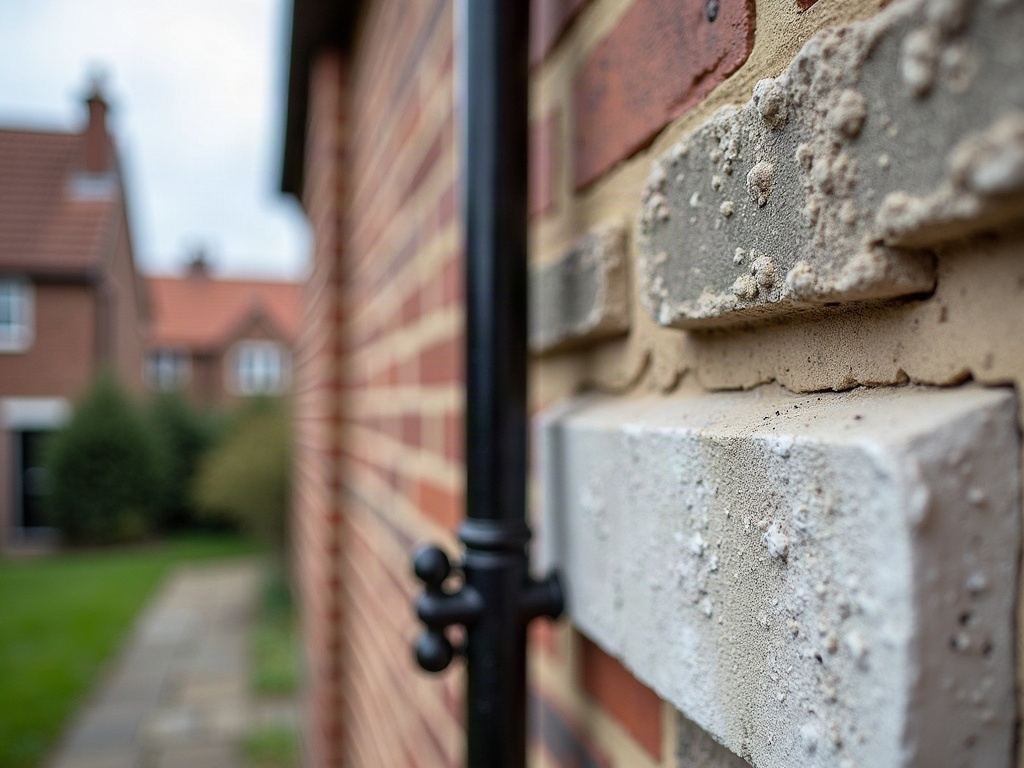
Resin Injection Ground Stabilisation
Liquid resin injected beneath slabs or footings can fill voids and compact loose soil, lifting settled areas with minimal disruption to gardens or interiors.
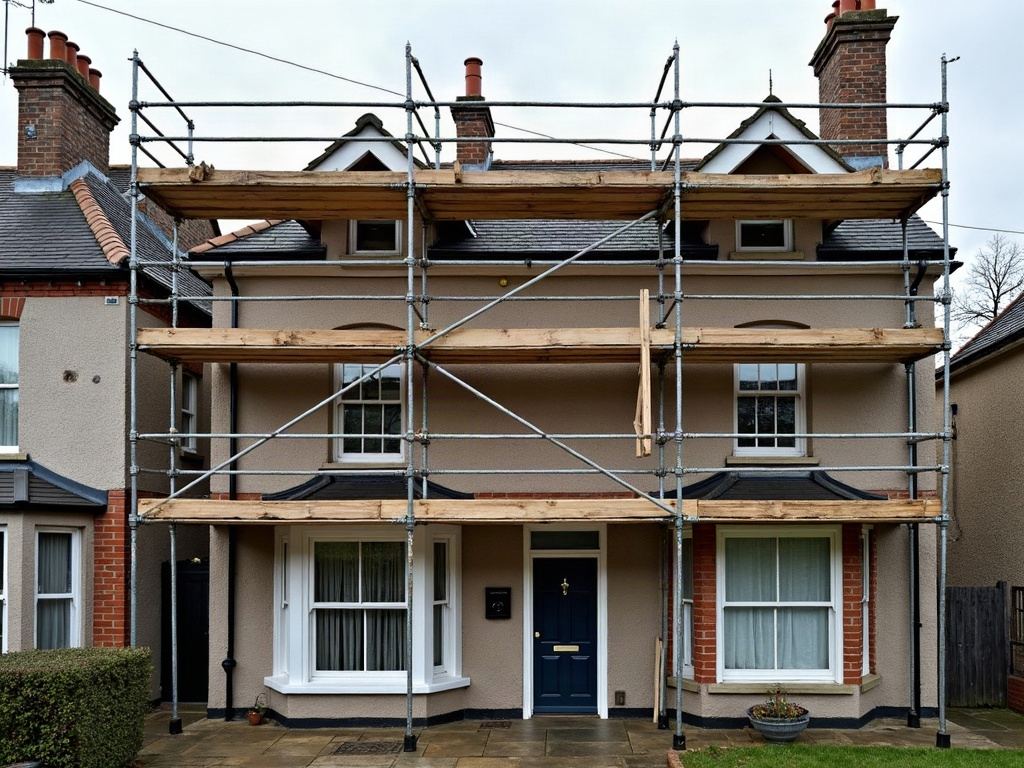
Screw Piling for Foundations
Helical piles screwed deep into stable strata provide support where traditional footings have failed, often used for extensions or lighter structures on variable ground.
What you receive after a visit
The specialist documents findings clearly and explains options without pressure:
Clear cause identification
The report states whether observed movement links to subsidence, thermal expansion, or another non-structural factor, based on pattern, width and location of cracks.
Insurance-ready documentation
You get a written assessment that meets insurer expectations, which you may choose to submit with a buildings insurance claim if your policy covers subsidence.
No-obligation repair outline
If work is needed, the specialist provides a scope of possible solutions, such as underpinning or resin injection, with no requirement to proceed immediately.
Local knowledge applied
The specialist accounts for Wetherby’s mix of housing types and typical ground behaviour when interpreting signs and recommending next steps.
Services available in Wetherby
Subsidence help here starts with a thorough inspection of your property’s movement signs, drainage and surrounding trees. The specialist looks for diagonal cracks wider at one end, misaligned windows, or rippling wallpaper, clues that point beyond simple plaster fatigue.
Repairs, if needed, match the cause: underpinning for shallow or weakened footings, resin injection for void-filling beneath slabs, or screw piling where deeper support is required. All methods aim to stabilise the structure with minimal upheaval to your home and garden.
Other pages that may help
Before you get in touch
Do all cracks mean subsidence?
No. Hairline cracks are common in older homes and often result from temperature changes or minor settlement. Diagonal cracks wider than 3mm, especially near corners or across multiple floors, are more likely to need investigation.
Will my buildings insurance cover this?
Some policies include subsidence cover, but exclusions apply, check your wording or speak to your insurer. The specialist can provide a report you may choose to submit with a claim.
How long does a survey take?
A typical initial inspection takes one to two hours on site. The specialist may return for monitoring if movement appears recent or ongoing.
Can I sell my house with cracks?
Yes, but unresolved structural concerns can delay a sale or reduce offers. A clear report showing the issue is historic or non-structural often reassures buyers and lenders.
What you have read here is general background on subsidence rather than guidance about your own building, and only an inspection can say what holds true at your address.
Get clarity on your cracks
There’s no charge for submitting your details, and you’re free to get other quotes once the specialist contacts you.