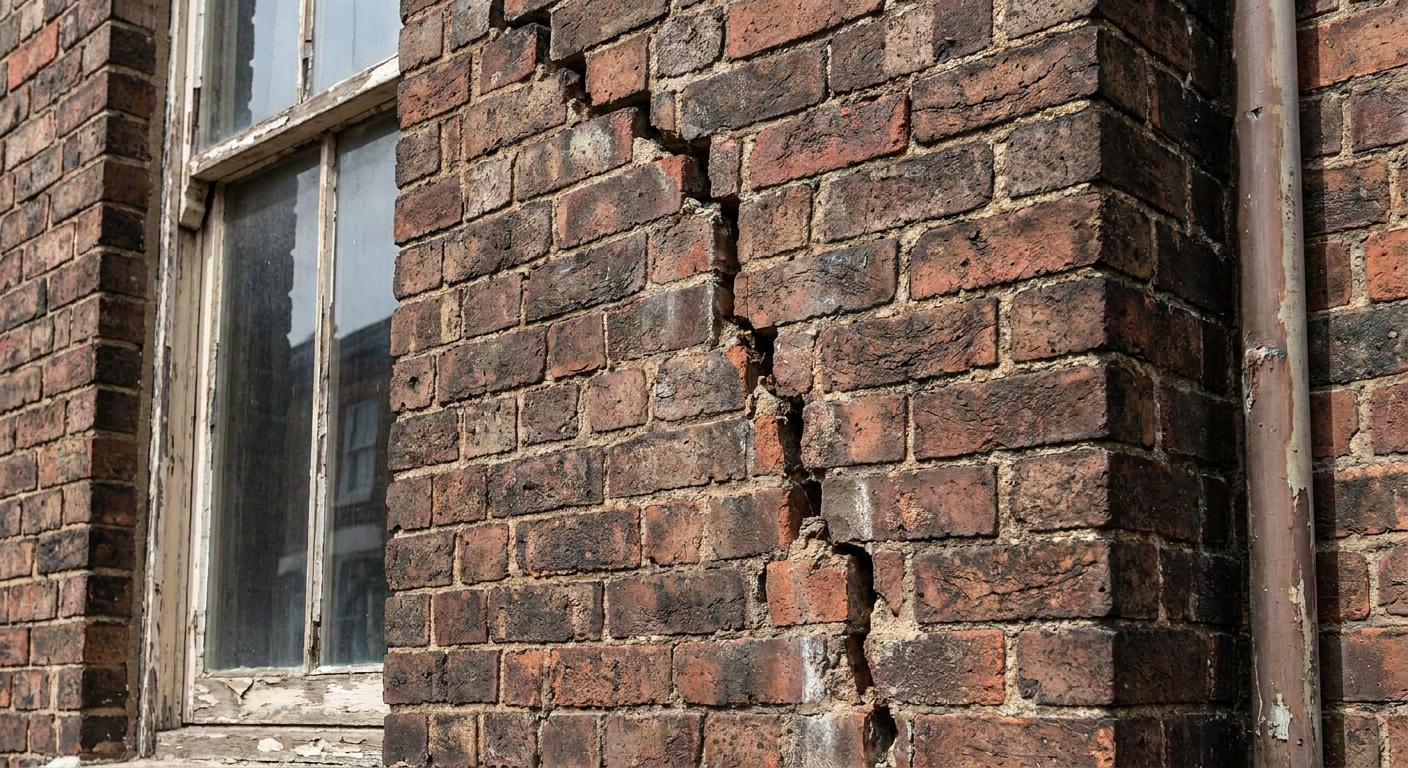
Subsidence help in Roundhay
Movement in walls or floors can be unsettling, especially in older homes with large gardens. In Roundhay, where mature trees and seasonal ground changes are common, distinguishing normal settling from active subsidence needs a specialist’s eye on site.
Roundhay homes often show movement that needs checking
Houses in Roundhay range from Victorian villas to interwar semis, many with deep-rooted trees close to the structure. Clay soils here expand when wet and shrink in dry spells, which can stress foundations over time.
A specialist who takes your enquiry will look at crack patterns, door alignment and external features like paths or patios pulling away from the house. These signs, combined with tree proximity and drainage condition, help determine whether movement is active or historic.
Signs we see in Roundhay homes and what they may mean
Each pattern of damage suggests different causes and responses. A specialist assesses which, if any, require intervention.

Subsidence Investigation and Advice
Diagonal cracks wider at one end, sticking doors or windows, and rippling wallpaper can signal foundation movement. A specialist surveys the property to confirm whether it is subsidence, heave or benign settlement.

Underpinning Work Explained
If foundations have lost support, underpinning may be needed to stabilise the structure. The specialist quotes for the work only after confirming depth, soil condition and load requirements through trial pits and levels monitoring.

Cracked Concrete Floors, Slabs and Walls
Hairline cracks in garage floors or internal slabs are often shrinkage-related and harmless. Wider cracks aligned with wall movement may indicate underlying ground instability that requires further investigation.
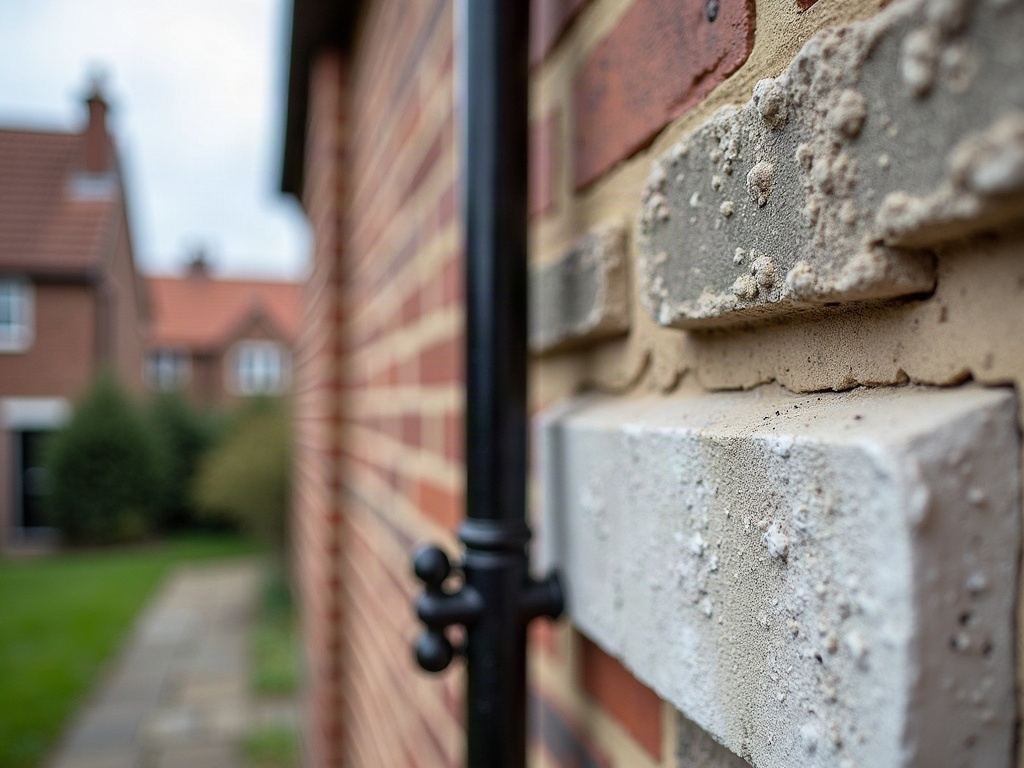
Resin Injection Ground Stabilisation
Where voids or loose fill undermine a slab, injecting structural resin can re-level and support without excavation. The specialist checks borehole logs and floor profiles to decide if this suits your property.
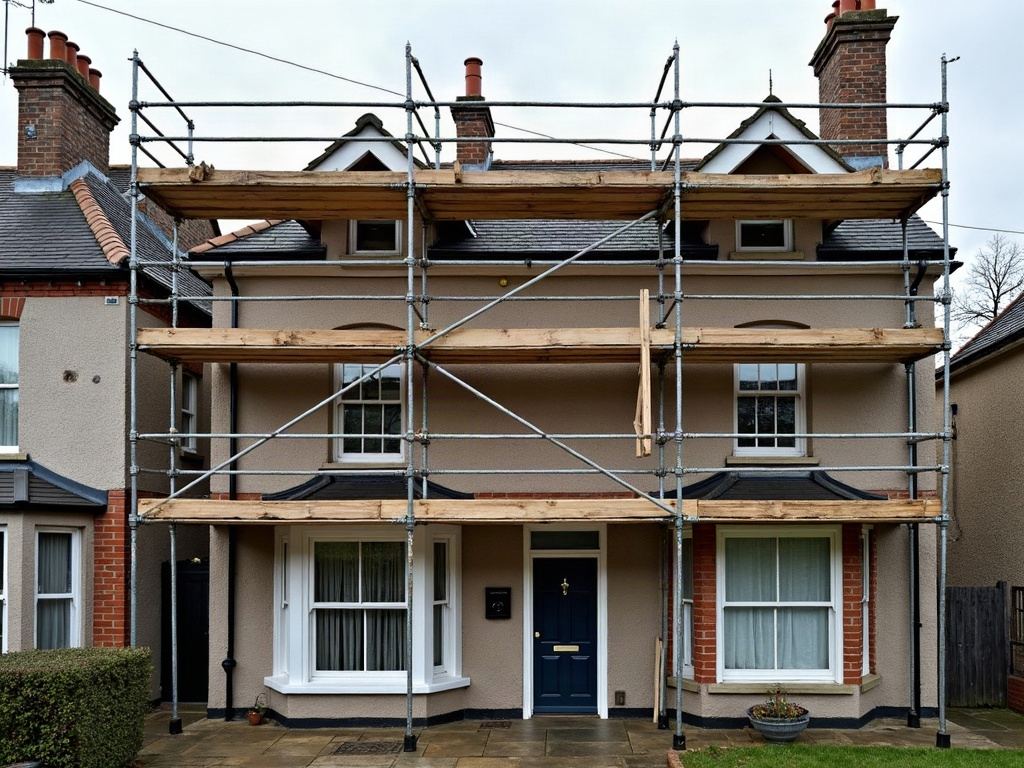
Screw Piling for Foundations
For new builds or extensions on unstable ground, screw piles offer a fast, low-disruption alternative to traditional footings. The specialist designs the pile layout based on load tests and soil composition.
What you receive after a specialist visits
The inspection settles whether movement is active, what caused it, and what, if anything, needs doing next.
Clear cause identification
The specialist records crack width, direction and location, then correlates these with tree roots, drain runs and soil type to isolate the likely trigger.
Insurance-ready report
You get a written report detailing findings, which you may choose to send to your buildings insurer if your policy covers subsidence.
No-pressure options
If work is needed, the specialist explains realistic repair choices, such as underpinning, resin injection or drainage fixes, without pushing unnecessary solutions.
Follow-up monitoring plan
For minor or uncertain movement, the specialist may recommend installing tell-tales and returning after six months to check for further change.
Repairs suited to Roundhay’s housing and ground
Subsidence help in Roundhay starts with understanding how local conditions affect older properties. Mature trees near boundary lines, combined with clay-rich ground, often drive seasonal movement that mimics structural failure.
The specialist who takes your enquiry decides whether the right response is managing vegetation, repairing drains, stabilising ground with resin, or strengthening foundations with underpinning or screw piles. Each method is chosen based on what the site shows, not a standard checklist.
Before you get in touch
Do all cracks mean subsidence?
No. Hairline cracks in plaster are common in older homes and often caused by seasonal humidity changes. Diagonal cracks wider than 3mm near windows or doors warrant inspection.
Can trees on my neighbour’s land affect my house?
Yes. Tree roots can draw moisture from clay soils beneath your foundations, especially in dry summers. A specialist checks root proximity and soil type to assess risk.
Will my buildings insurance cover this?
Most policies include subsidence, but excesses apply and claims can affect future premiums. Check your policy wording and speak to your insurer before proceeding.
How long does an investigation take?
An initial site visit usually takes half a day. If monitoring is needed, the specialist installs tell-tale gauges and returns after several months to check for movement.
What you have read here is general background on subsidence rather than guidance about your own building, and only an inspection can say what holds true at your address.
Get a clear answer
Submit your details and a local specialist covering Roundhay will contact you directly to discuss your concerns.