
Subsidence help in Otley
Movement in your walls or floors can be unsettling, especially in older parts of Otley where foundations were laid before modern standards. A specialist can determine whether it’s routine settling or something that needs attention.
Otley properties often show signs tied to age and location
Many homes in Otley date from the 19th and early 20th centuries, built when foundation depths were shallower and materials less consistent than today. Properties near the River Wharfe or on sloping ground may show movement linked to water runoff or seasonal soil changes.
Older brickwork, narrow footprints and shared party walls, common in town-centre terraces, can also influence how movement appears and spreads. These features don’t mean a house is unsafe, but they do affect what a specialist looks for during an inspection.
Signs you might see in Otley homes
Each type of movement points toward a different check or repair. What matters is not just the crack, but where it runs, how wide it is, and whether it’s getting worse.

Subsidence Investigation and Advice
A specialist surveys the property to distinguish between harmless settlement and active ground movement, checking for patterns such as diagonal cracks wider at one end or sticking doors after dry spells.

Underpinning Work Explained
Where foundations have lost support, underpinning may be needed to stabilise the structure; the specialist assesses depth, soil conditions and access before recommending this option.

Cracked Concrete Floors, Slabs and Walls
Hairline cracks in floor slabs are common in older garages or extensions, but wider splits or steps in the surface can signal underlying voids or washout from drainage leaks.
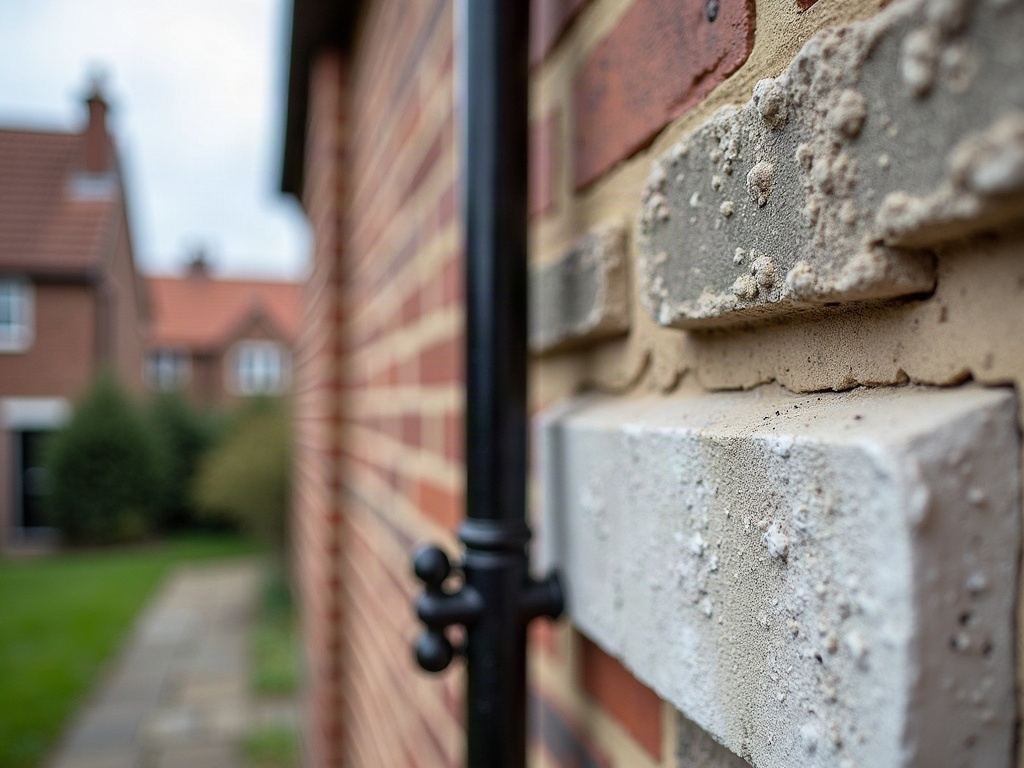
Resin Injection Ground Stabilisation
This method fills voids and compacts loose soil beneath slabs or footings without major excavation, often suited to Otley’s tighter plots and rear-access properties.
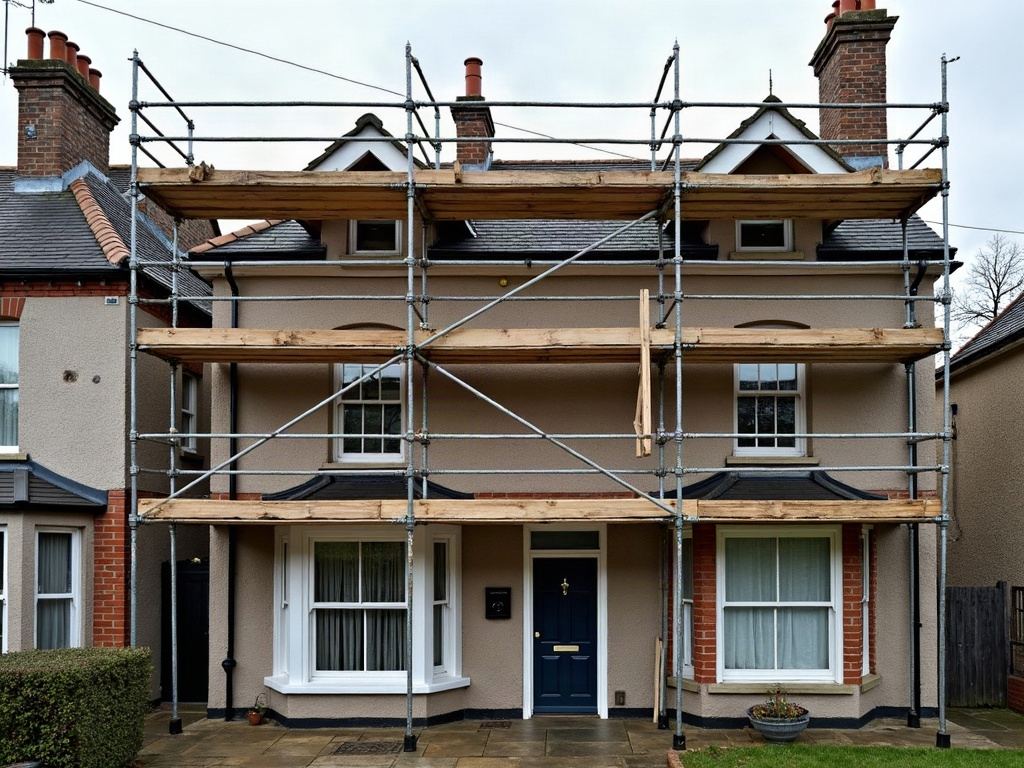
Screw Piling for Foundations
Screw piles transfer load deeper into stable ground and are sometimes used where traditional underpinning isn’t practical, such as on steep plots or near trees.
What you receive after a visit
The specialist documents what they find and explains it clearly, so you know what’s happening and what options exist.
Measured crack records
Width, direction and location of every visible crack are noted, often with dated photos to track any change over time.
Drainage and tree checks
The specialist examines nearby drains for leaks and trees for root activity, both common contributors to movement in Otley’s older streets.
Written findings
You get a clear report summarising the likely cause, whether further monitoring is advised, and which repairs, if any, are appropriate.
Insurance-ready documentation
If your policy covers subsidence, the report includes the detail insurers usually ask for, though coverage depends on your specific terms.
Repairs suited to Otley’s layout and housing
Otley’s mix of stone-built terraces, detached Victorian villas and post-war infill means no single solution fits all. Access is often limited at the rear or sides, so methods that avoid large excavations, like resin injection or screw piling, are frequently considered first.
Underpinning remains an option where deeper support is essential, but specialists weigh disruption against benefit, especially in tightly packed rows. For cracked internal floors or garage slabs, targeted grouting or localised slab replacement may resolve the issue without touching the main structure.
What people ask us about subsidence
Do I need to tell my insurer before calling a specialist?
Check your buildings insurance policy first, many cover subsidence investigations. The specialist can provide a report you may choose to send to your insurer.
Will the specialist contact me quickly?
The specialist who takes your enquiry will contact you directly to arrange a site visit or discuss your concerns.
Are all cracks in Otley homes a sign of subsidence?
No. Hairline cracks in plaster or mortar are common in older homes and often result from thermal movement or drying shrinkage, not foundation issues.
Can work start without planning permission?
Most subsidence repairs are classed as permitted development, but listed buildings or conservation areas may require consent. The specialist will advise if needed.
What you have read here is general background on subsidence rather than guidance about your own building, and only an inspection can say what holds true at your address.
Ask about your property
There is no charge for submitting your details, and you are free to get other quotes after speaking with the specialist.