Buying a house with cracks in Leeds
You’ve found a home in Leeds you want to buy, but the survey has flagged wall cracks or uneven floors. Now you’re stuck between pulling out and risking overpaying for repairs, or missing out on a sound property that just needs checking.
Your offer is conditional until this is clear
A structural survey that notes movement puts your purchase on hold. The seller’s report may say ‘monitor’, but your lender or solicitor will often require specialist confirmation before exchange.
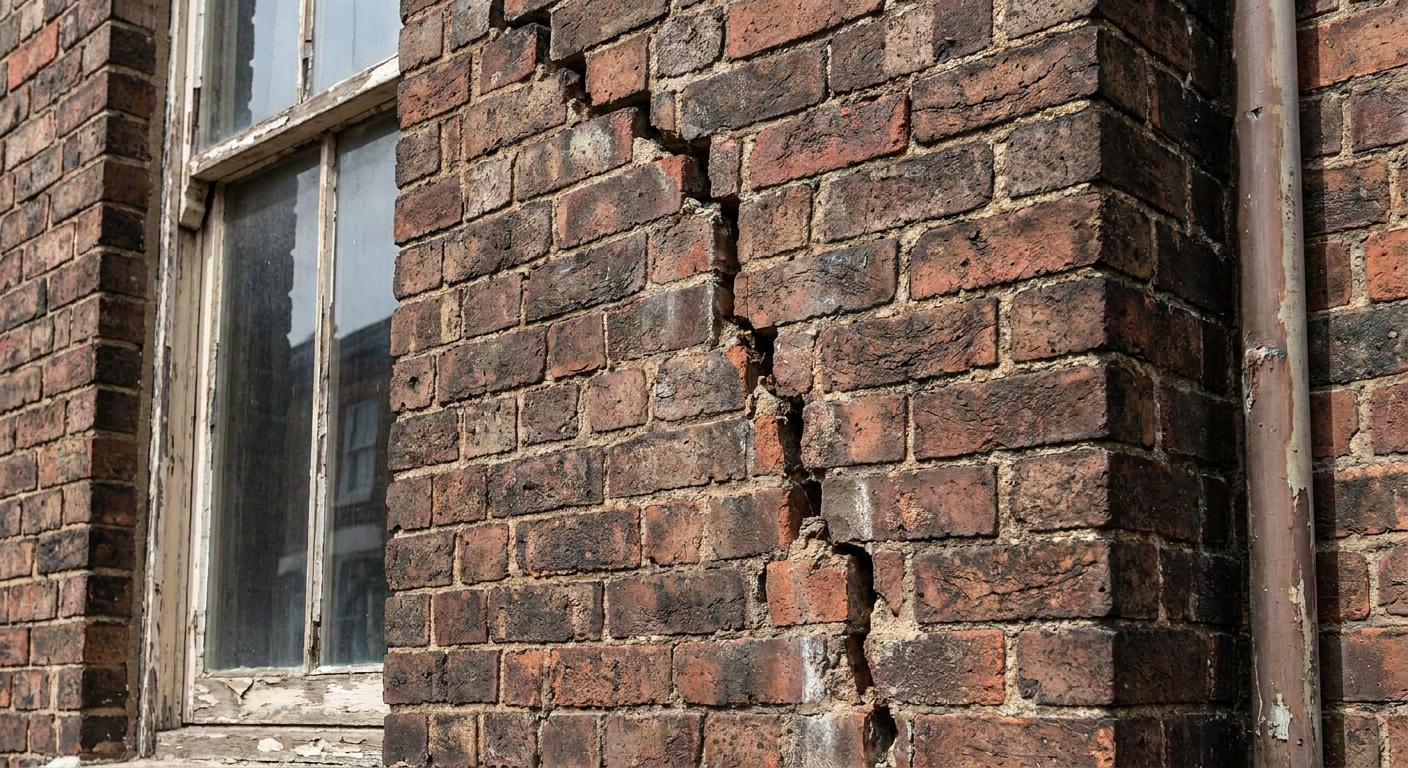
In older parts of Leeds, like Headingley, Armley or Rothwell, many homes show hairline cracks from normal settlement. But diagonal cracks wider than 3mm, doors that stick seasonally, or visible step cracks near extensions can signal active ground movement that needs investigation.
What you receive after the inspection
The specialist provides a written assessment you can share with your solicitor, lender or insurer. It clarifies whether the movement is historic, ongoing, or unrelated to subsidence.
Clear cause identified
The report states whether clay shrinkage, leaking drains, tree roots or past mining are likely responsible, based on site evidence.
Insurance guidance included
It notes if the issue might be covered by buildings insurance, so you can check your policy or speak to your insurer before proceeding.
Repair options outlined
If work is needed, the specialist explains whether underpinning, resin injection or screw piling would be appropriate for the property’s condition and ground type.
No obligation to proceed
You receive the findings without commitment. You can walk away, renegotiate, or commission further work based on independent advice.

Signs that need a second look
Not every crack means subsidence. A specialist distinguishes between cosmetic flaws and movement that affects stability.
Diagonal cracks near windows
These often appear in brickwork above or below openings and may indicate foundation movement if they widen over time.
Sticking doors or windows
If frames bind consistently in the same position, especially downstairs, it can reflect floor tilt from uneven settlement.
Cracks in concrete floors
Random fine lines are normal, but wide or stepped cracks aligned with wall movement suggest slab displacement.
Visible gaps around extensions
How it works from your side
You stay in control throughout.
Submit your enquiry
Provide the property address in Leeds or any of the surrounding towns we cover. There is no charge for this step.
Specialist contacts you
A local specialist covering that area will call or email within a few days to arrange a site visit.
Survey and report
They inspect the property, record crack patterns, check levels, and assess soil and drainage conditions relevant to the location.
Discuss next steps
They explain whether the movement is active, what caused it, and if Subsidence help, Underpinning, Concrete cracking repair, resin injection or screw piling is warranted.
Worth reading next
What we do
Straight answers on subsidence
Can I use the report to renegotiate the price?
Yes. A clear diagnosis of required repairs gives you leverage to adjust your offer or ask the seller to complete work before completion.
Will my buildings insurance cover this?
Some policies cover subsidence-related damage, but not all. Check your policy wording or ask your insurer; the specialist’s report can support your claim if applicable.
Does every crack mean subsidence?
No. Many cracks in Leeds homes, especially Victorian terraces or 1930s semis, are from thermal movement or minor settlement and pose no structural risk.
How long does the inspection take?
The specialist contacts you directly to arrange access and discuss findings.
What you have read here is general background on subsidence rather than guidance about your own building, and only an inspection can say what holds true at your address.
Get clarity before you exchange
Send your details and the property address so a specialist covering Leeds or your local town can contact you directly.